Insight: Portraits of Women in Surgery
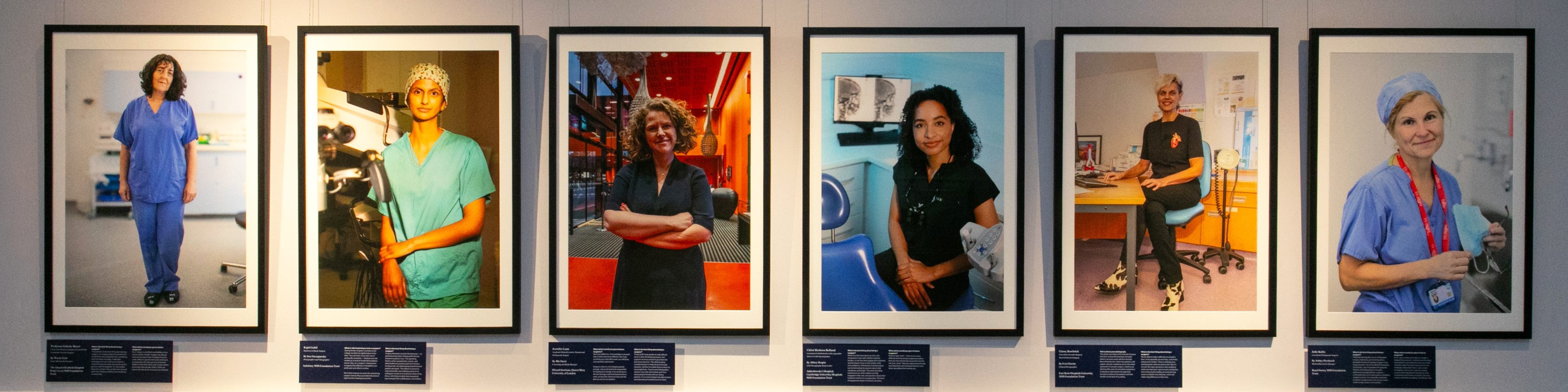
The surgeons featured represent a range of specialties, career stages, and regions across the UK. Their voices offer an insight into what it is like to be a surgeon today, from the joy of helping patients to the satisfaction of a team working together. They are all members of the Women in Surgery Network (WinS), a national initiative dedicated to encouraging, enabling and inspiring women to fulfil their surgical career ambitions.
Many of the portraits have been taken by colleagues, including specialist clinical photographers. This insider perspective offers a glimpse behind the scenes of modern surgery in the UK, capturing the skill, determination and teamwork required to thrive in a surgical career.
This exhibition ran at the Royal College of Surgeons of England from 6 February to 18 April 2026
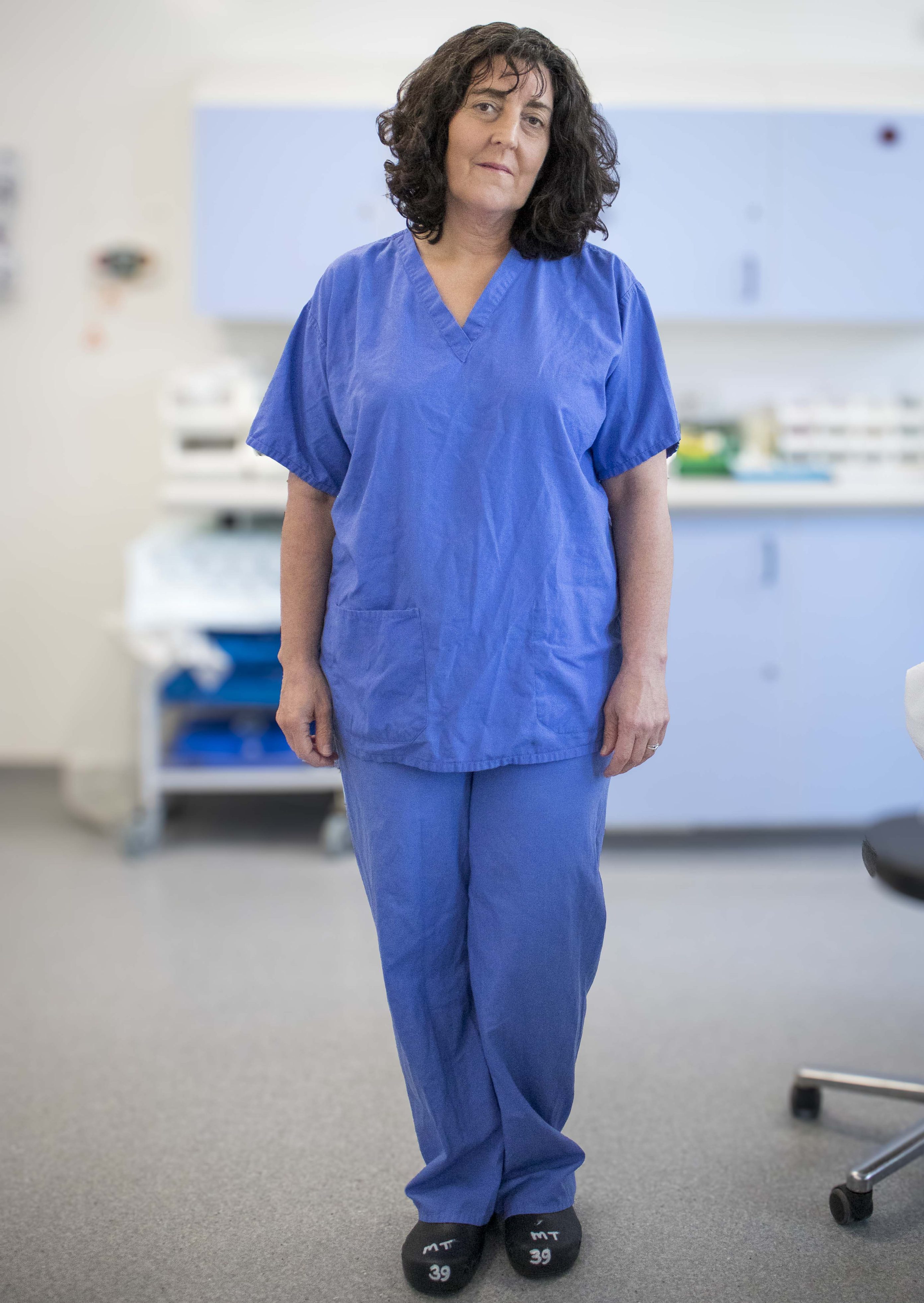
Professor Felicity Meyer
Chair of the Women in Surgery Forum (WinS) and Consultant Vascular Surgeon
by Wayne Fysh, Senior Multimedia Designer
The Queen Elizabeth Hospital
King’s Lynn NHS Foundation Trust
"Most of all, surgery allows you to help other people. If that’s what you want to do, then go for it because we need you."
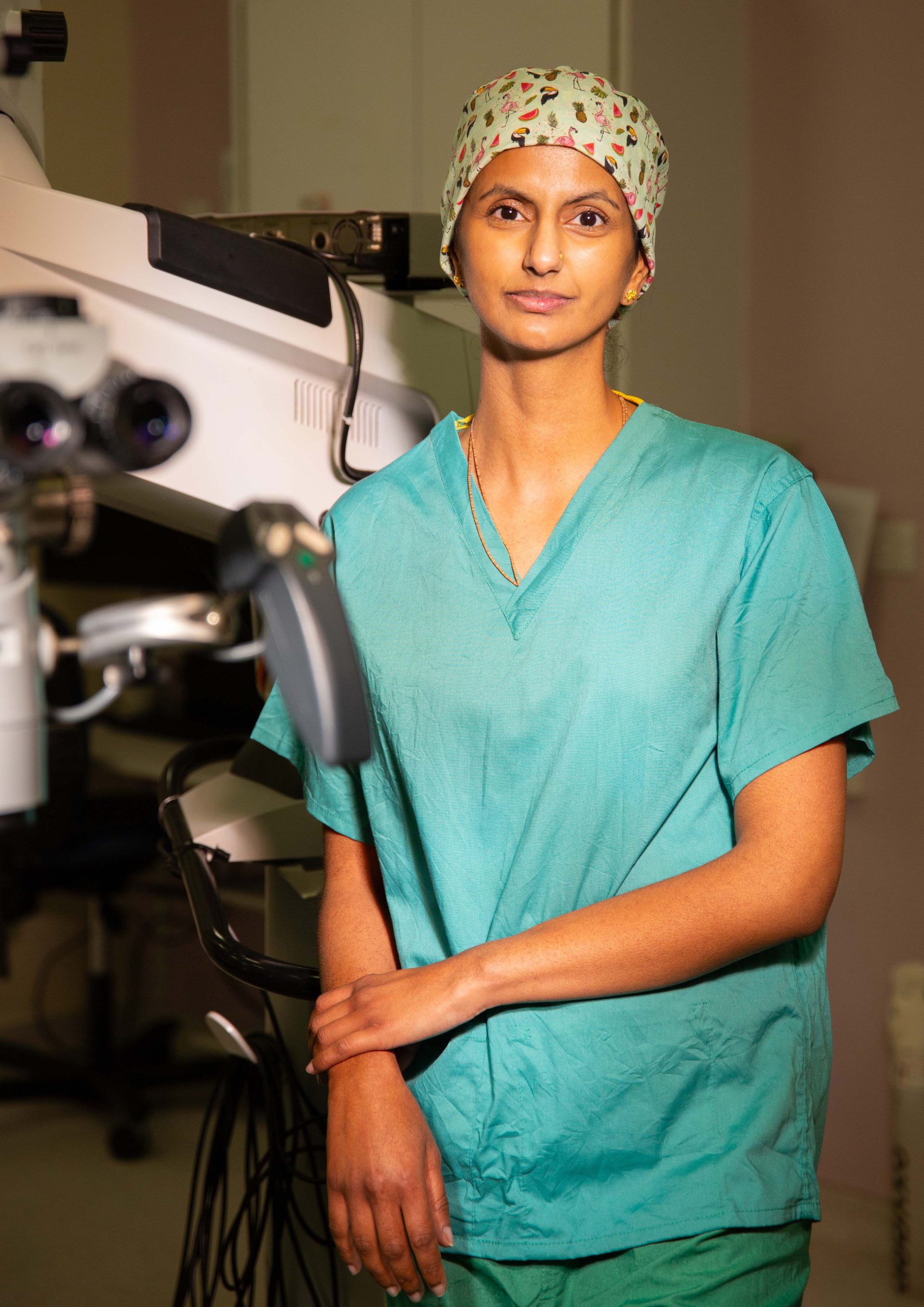
Kajal Gohil, Registrar in Plastic Surgery
by Inez Szczepanska, Photographer and Videographer
Salisbury NHS Foundation Trust
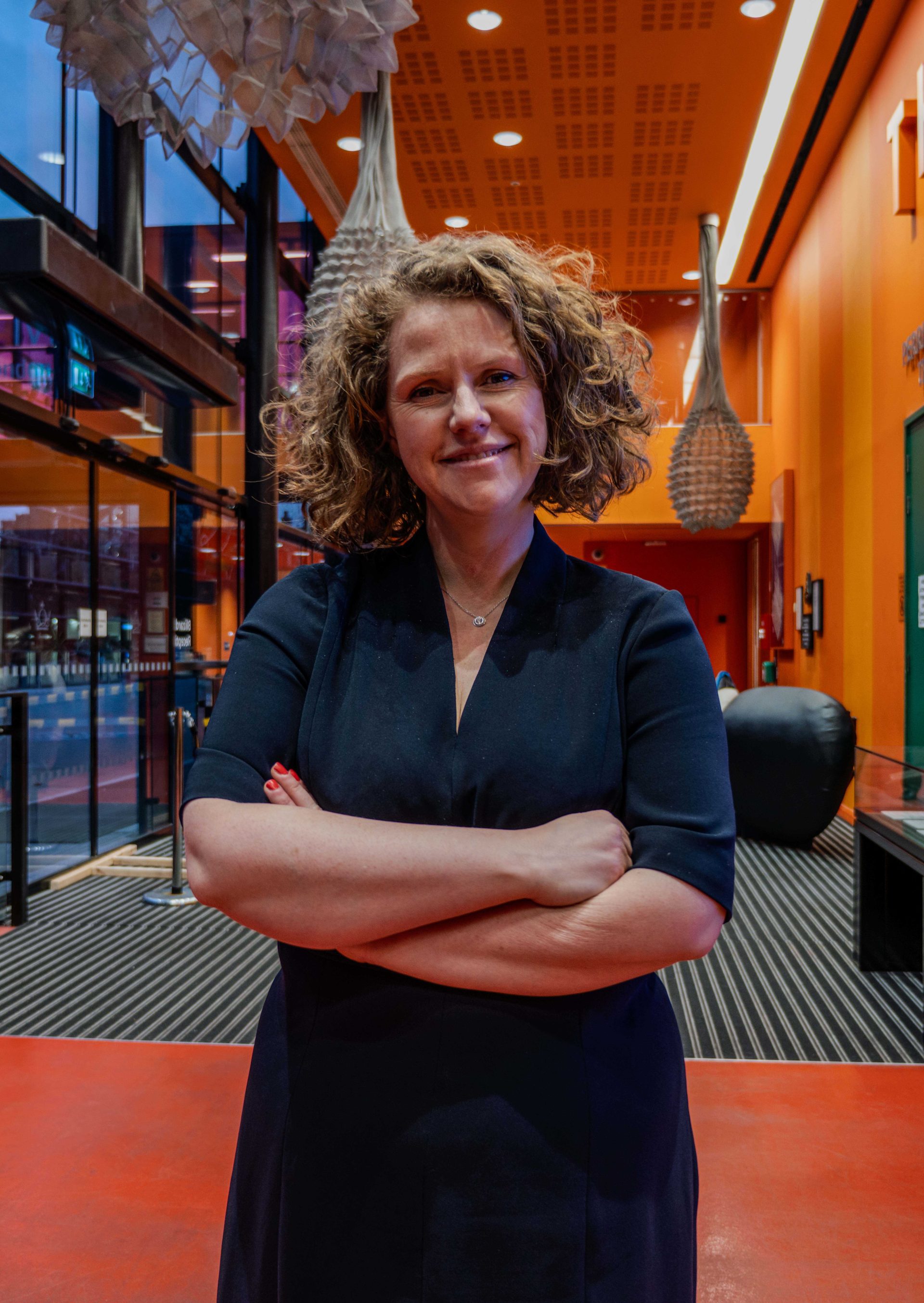
Jennifer Lane, Academic Clinical Lecturer, Trauma and Orthopaedic Surgery
By Mic Dessi, E-learning and Media Manager
Blizard Institute, Queen Mary University of London
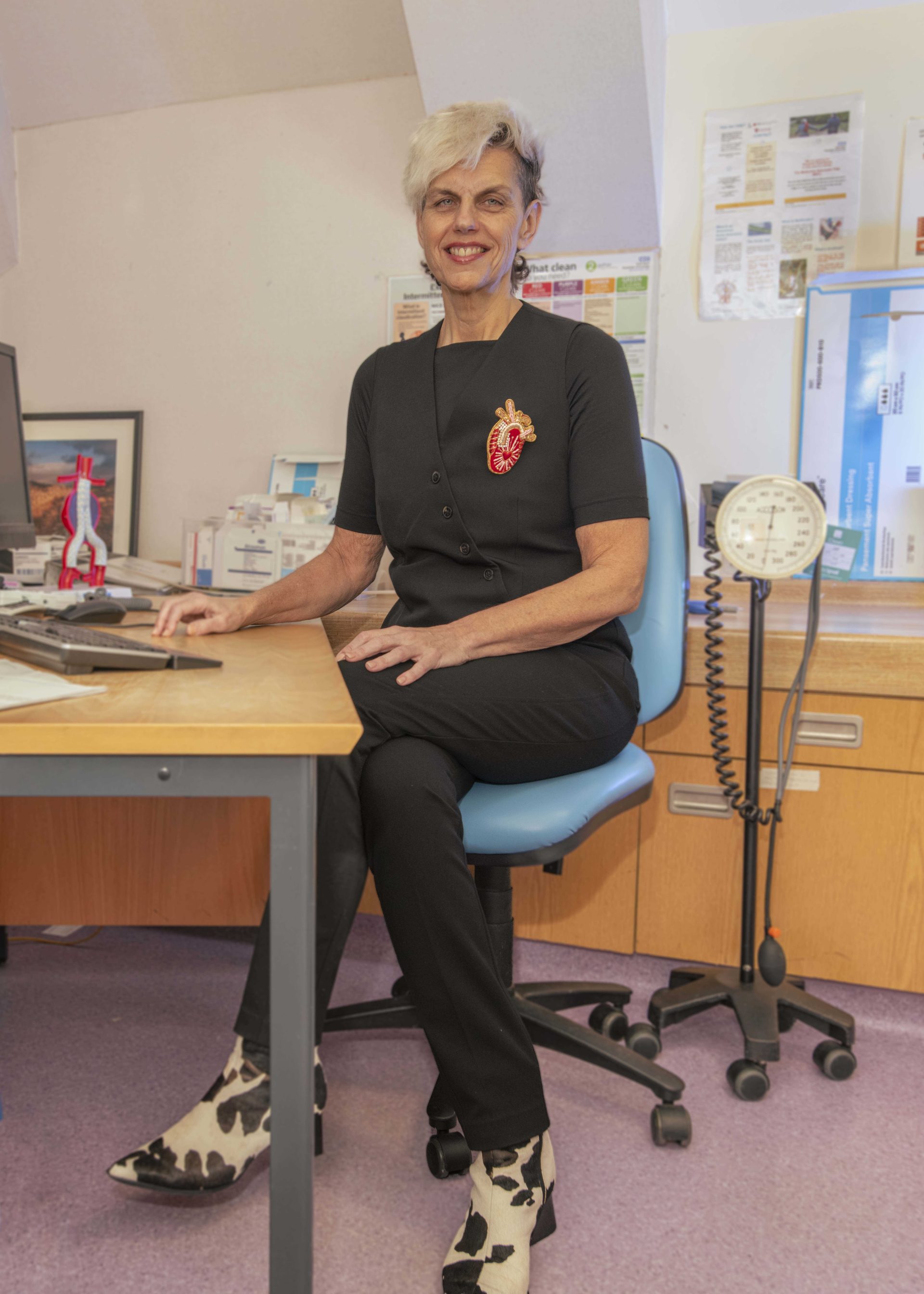
Ginny Bowbrick, Consultant Vascular Surgeon and Head of School of Surgery
By Evie Flewitt, Clinical Photographer
East Kent Hospitals University NHS Foundation Trust
What is the best thing about being a surgeon?
The collective expertise, cultural breadth, and unified purpose of my colleagues create an environment where I truly thrive, reminding me daily that exceptional care emerges from collaboration, not isolation.
Fixing stuff! I treat people at really difficult times in their life following trauma, and together we focus on how to give them the best future function.
We are able to make a difference to people’s lives. In my specialty we save lives, save limbs and prevent strokes. There is nothing more satisfying than when we achieve this.
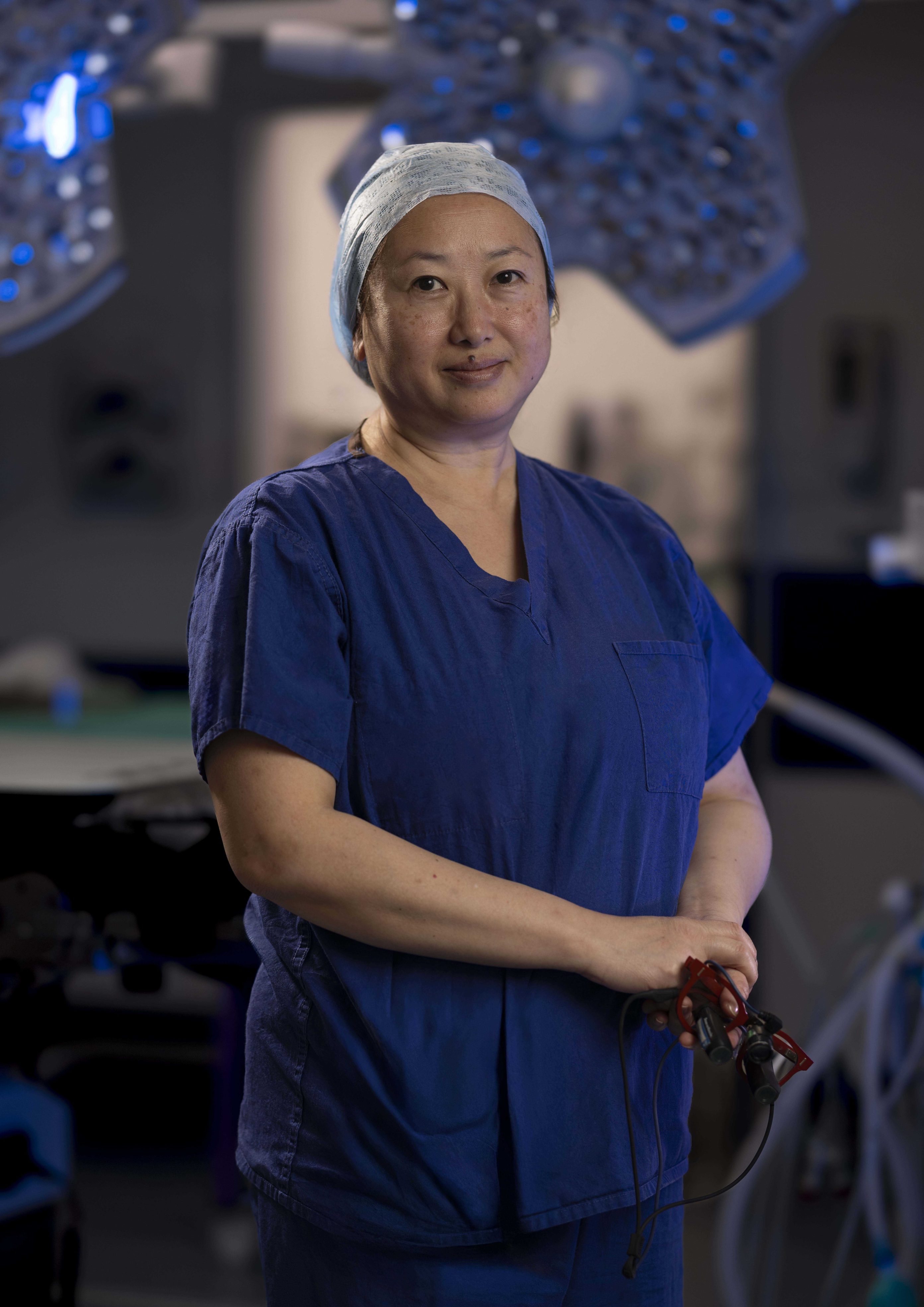
Evelyn Ong, Consultant Paediatric Hepatobiliary and Transplant Surgeon
By Bethany Stanley, Senior Clinical Photographer
Birmingham Children’s Hospital, Birmingham Women’s and Children’s Hospitals NHS Foundation Trust
Role models gave me my aspirations, liver disease gave me my passion for surgery and the families I treat give me my inspiration.
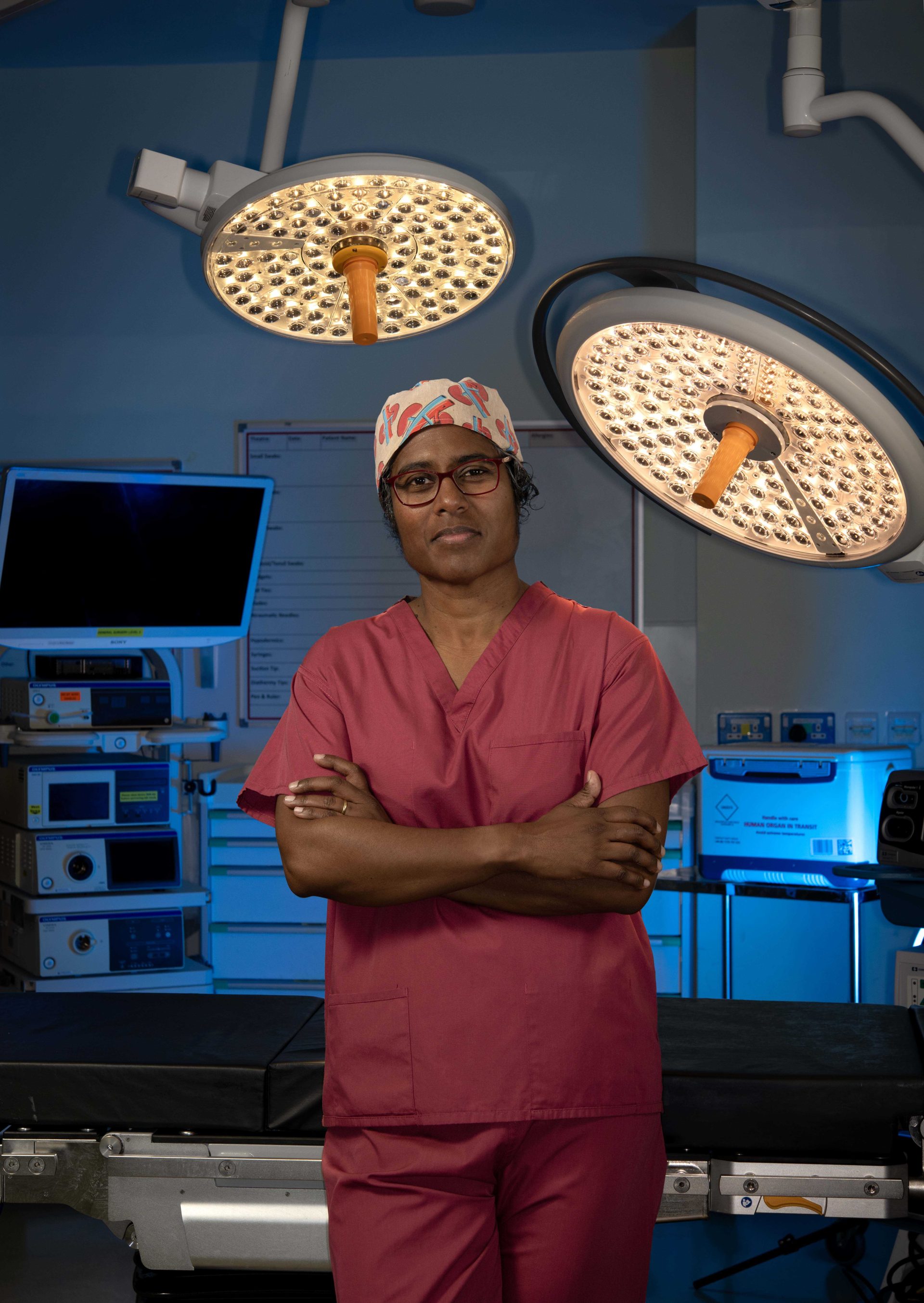
Anusha Edwards, Consultant Renal Transplant Surgeon
By Rebecca Sellick, Senior Medical Photographer, and Dawn White, Head of Medical Photography
North Bristol NHS Trust
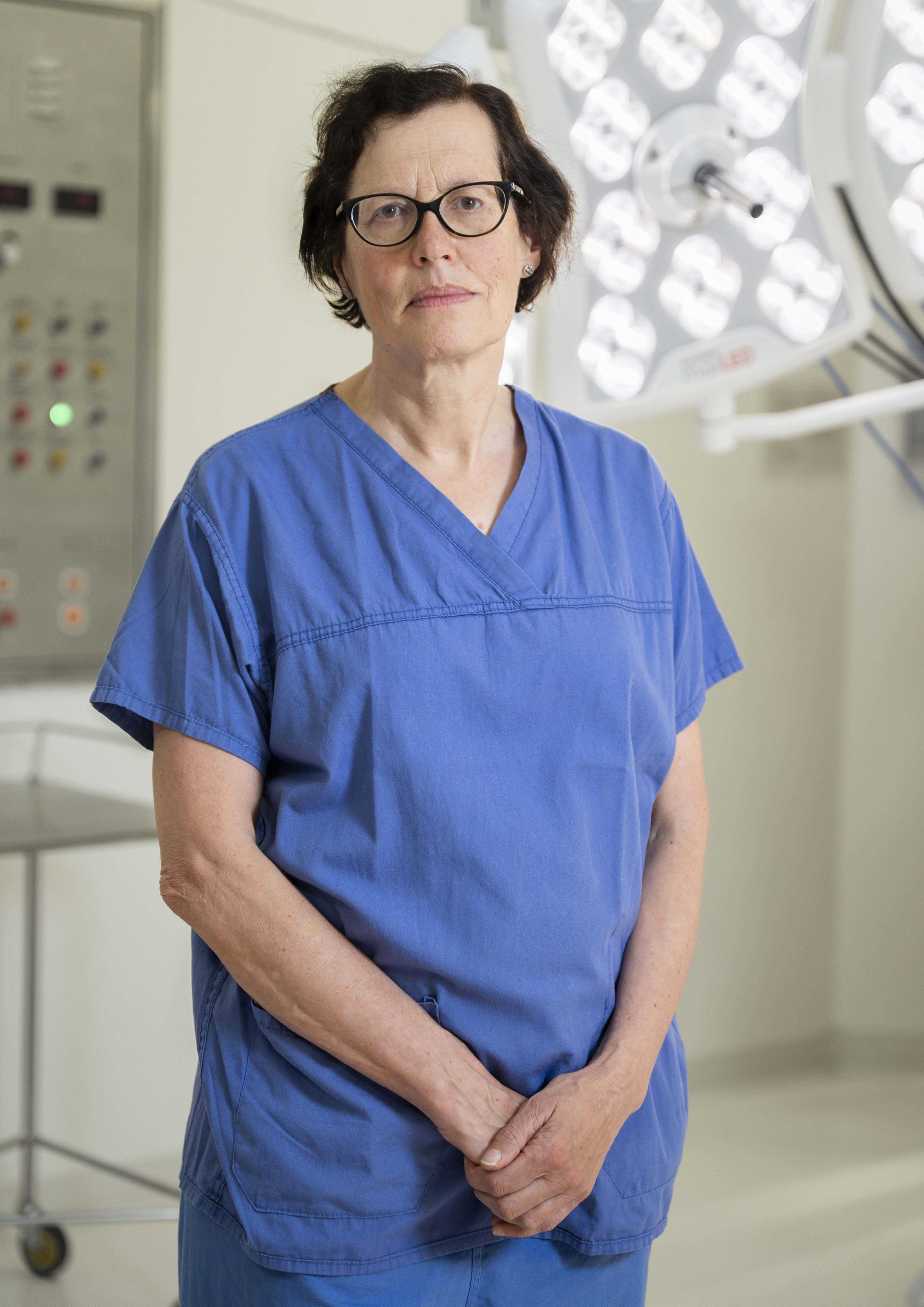
Carin van Doorn, Consultant Cardiac Surgeon
By Charlotte Marsh, Senior Medical Photographer
Leeds Teaching Hospitals NHS Trust
Tell us about your photograph.
This image shows my operating theatre where I work as a surgeon, doctor, cleaner, teacher and trainer, holder of hands, porter or phlebotomist; whatever is needed to get my patients through their operations, safely and efficiently, and support my team.
Here is where we find out if our pre-operative investigations are a true reflection of the workings of the patient’s heart, where we then stop the heart to undertake the repair, and at the end of the operation — when the heart starts up again — learn if the procedure has been successful.
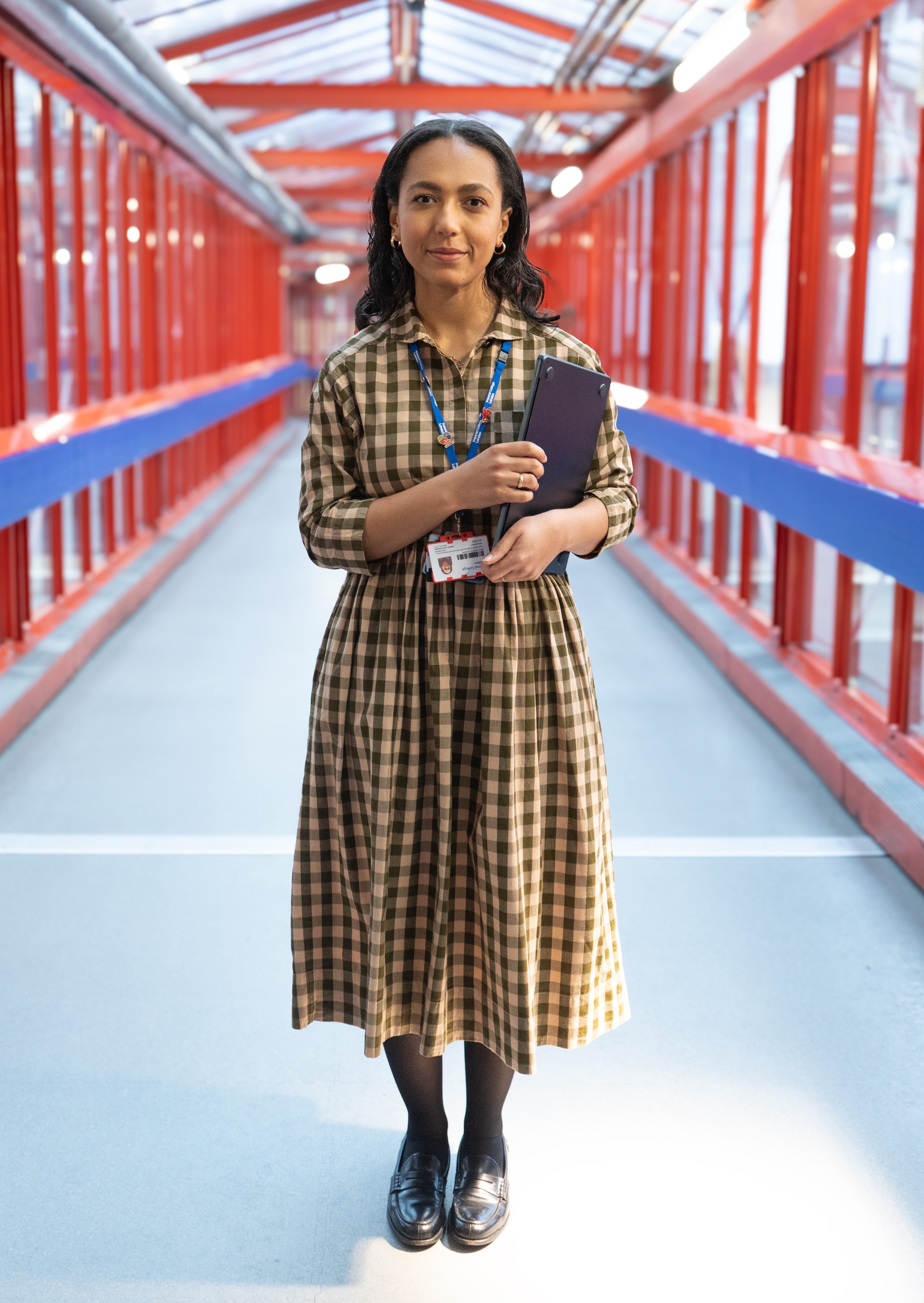
Jessica Bowie, Clinical Research Fellow
by Rochelle Gayle, Marketing and Content Officer
Imperial College Healthcare NHS Trust
Pay it forward. I’m still very early in my career but I always try to make time for medical students asking for help or advice. I was the first doctor in my family and owe a lot to all the people who responded to my ‘cold-emails’ asking for opportunities or mentorship.
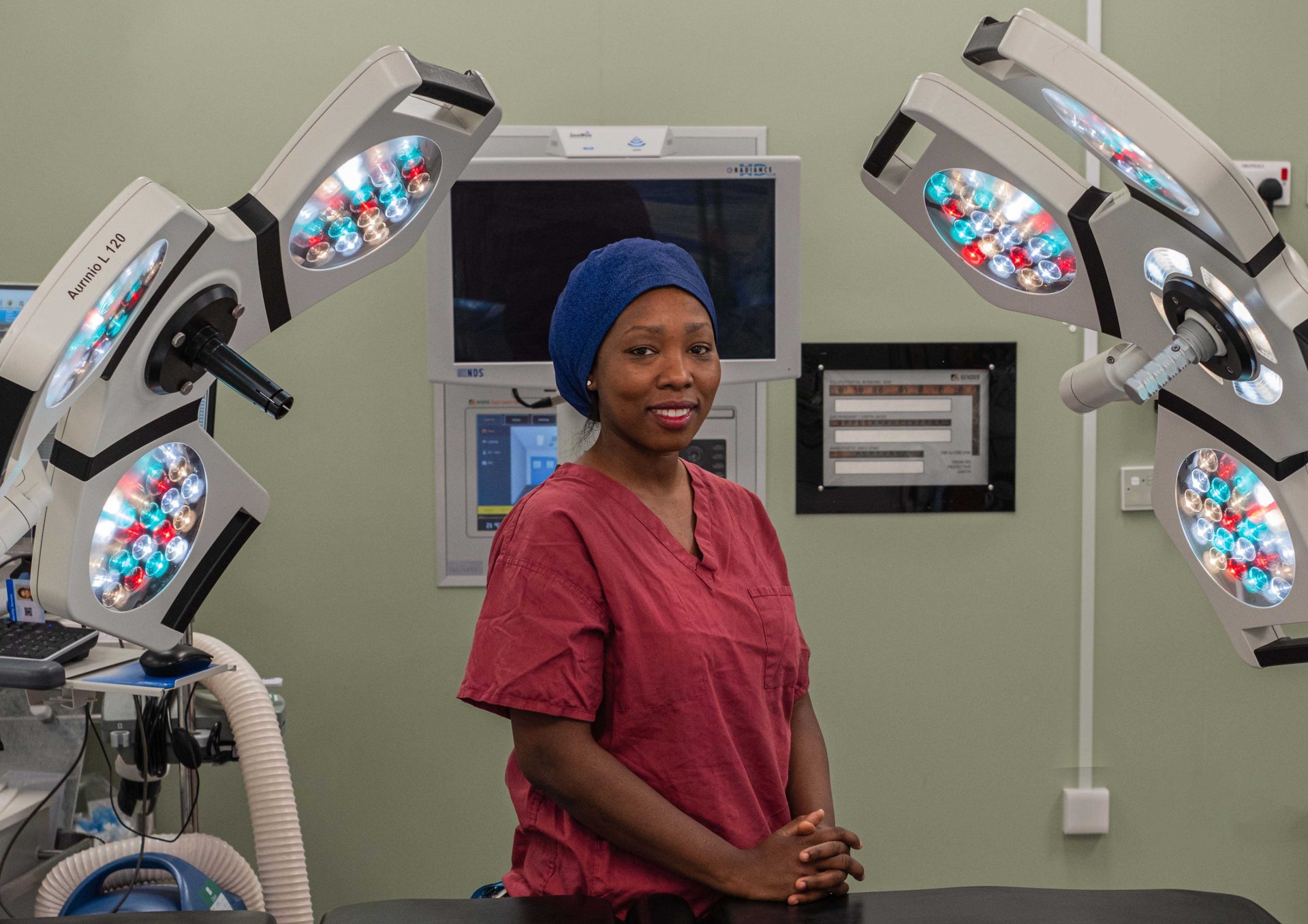
Sala Abdalla, Consultant General and Upper Gastrointestinal Surgeon
By Steve Watkins. Communication and Media Relations Officer
London North West University Healthcare Trust
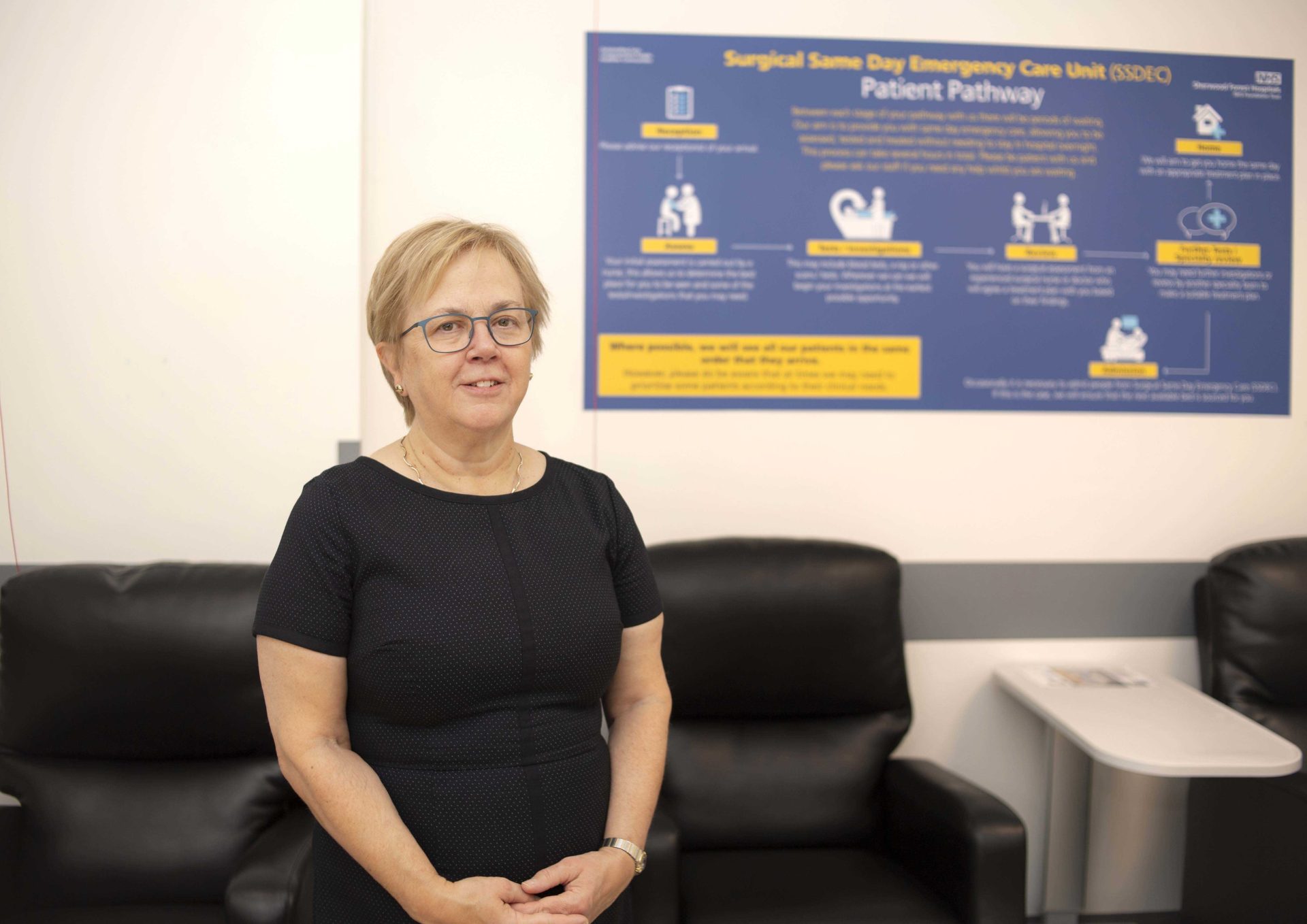
Jane Patterson, Clinical Lead, Surgical Same Day Emergency Care Unit (SDEC)
By Laura Hardwick, Ophthalmic Medical Photographer
Clinical Illustration
Sherwood Forest Hospitals NHS Foundation Trust
What is the best thing about being a surgeon?
For me, the greatest reward of being a surgeon is the knowledge that my clinical judgement and technical skills can make a tangible and often an immediate difference to another person's life.
I love the challenge of putting the theory into practice; the clinical detective work of making the diagnosis; how that relates to any physiological derangement and explains the operative findings; knowing I have the technical skills needed to perform the procedure and seeing the difference that makes as patients recover.
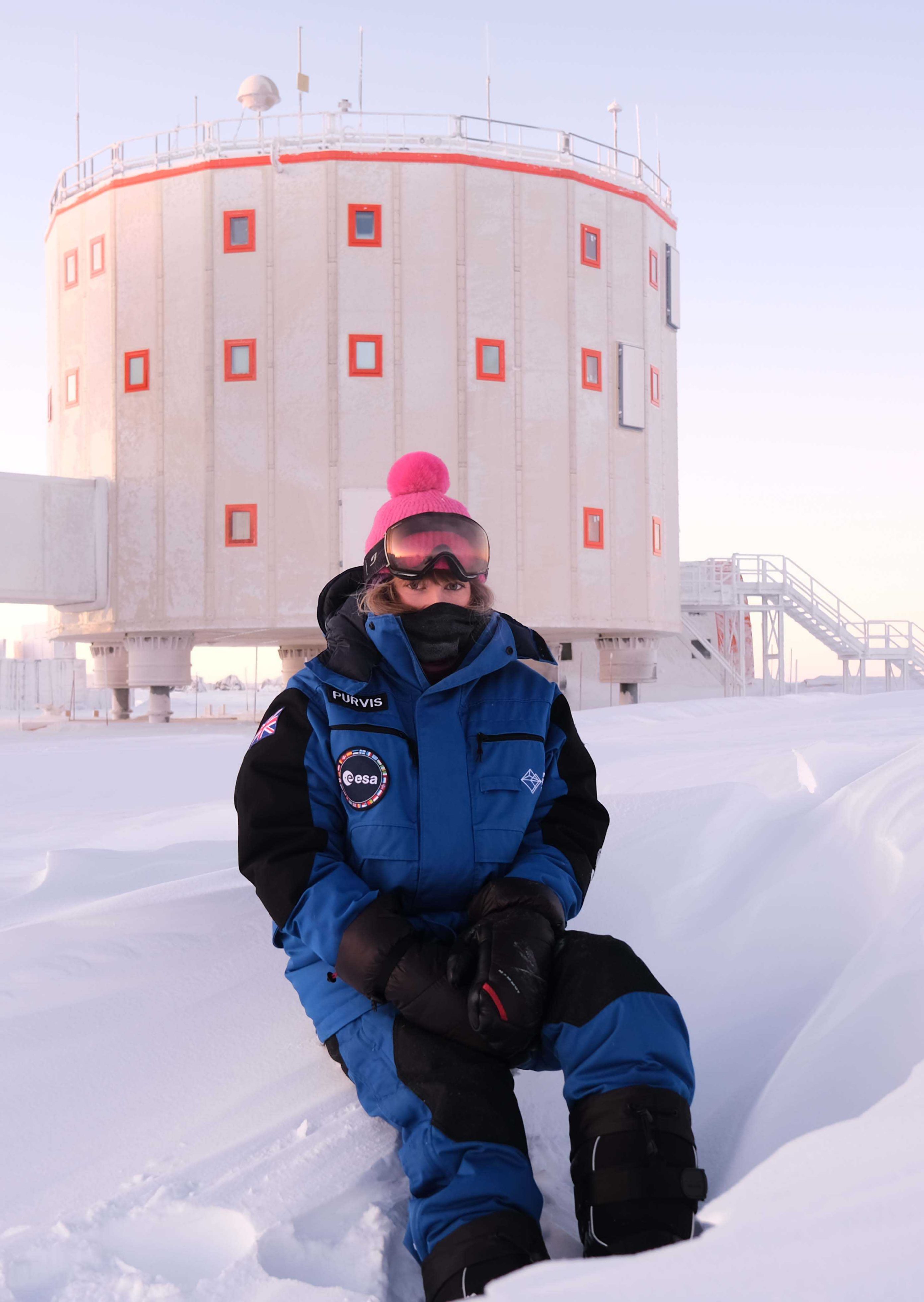
Nina Purvis, Core Surgical Trainee (NHS), Search and Rescue Lead/Research MD (European Space Agency)
By Julien Lacrampe, Electrician, IPEV (French Polar Institute Paul-Émile Victor)
Concordia Station, Antarctica European Space Agency
I’m sat outside of Concordia Station, Antarctica during the final sunset. We then survived in a darkness lasting for months, completely isolated from civilisation, in temperatures as low as -80 degrees Celsius, at an altitude of 3800m.
My job was to research the physiological adaptations of the crew and to serve as search and rescue lead/MD for any emergencies in the field. Concordia Station is the home of the world’s most remote operating theatre.
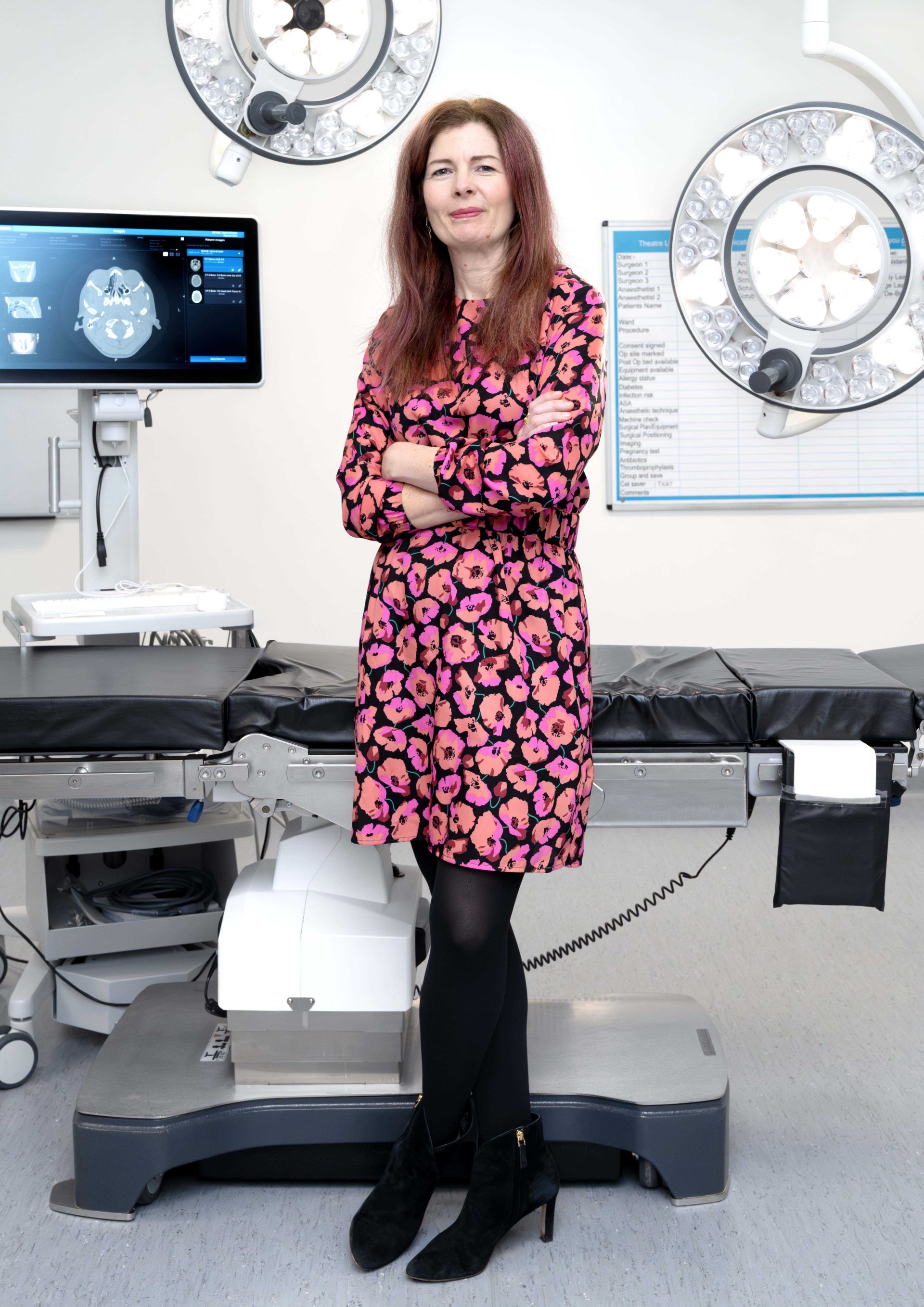
Sarah Farmer, Consultant Ear, Nose and Throat (ENT) Surgeon
By Lorna Jones, Senior Clinical Photographer
Aneurin Bevan University Health Board
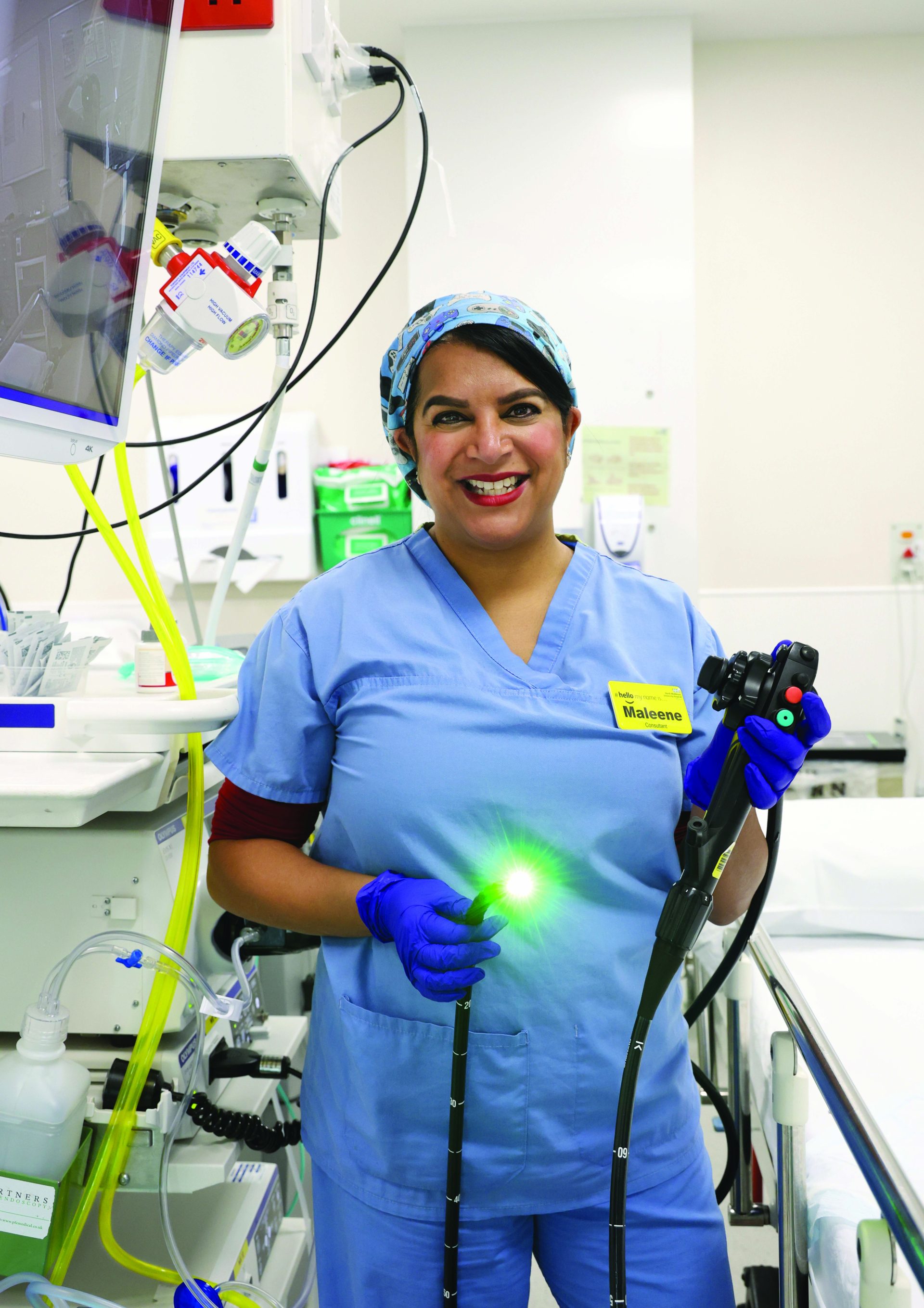
Maleene Patel, Consultant Laparoscopic Colorectal, General, Emergency and Endoscopic Surgeon
By Harriet Armstrong, Medical Photography Manager
North Middlesex Hospital, Royal Free London NHS Foundation Trust
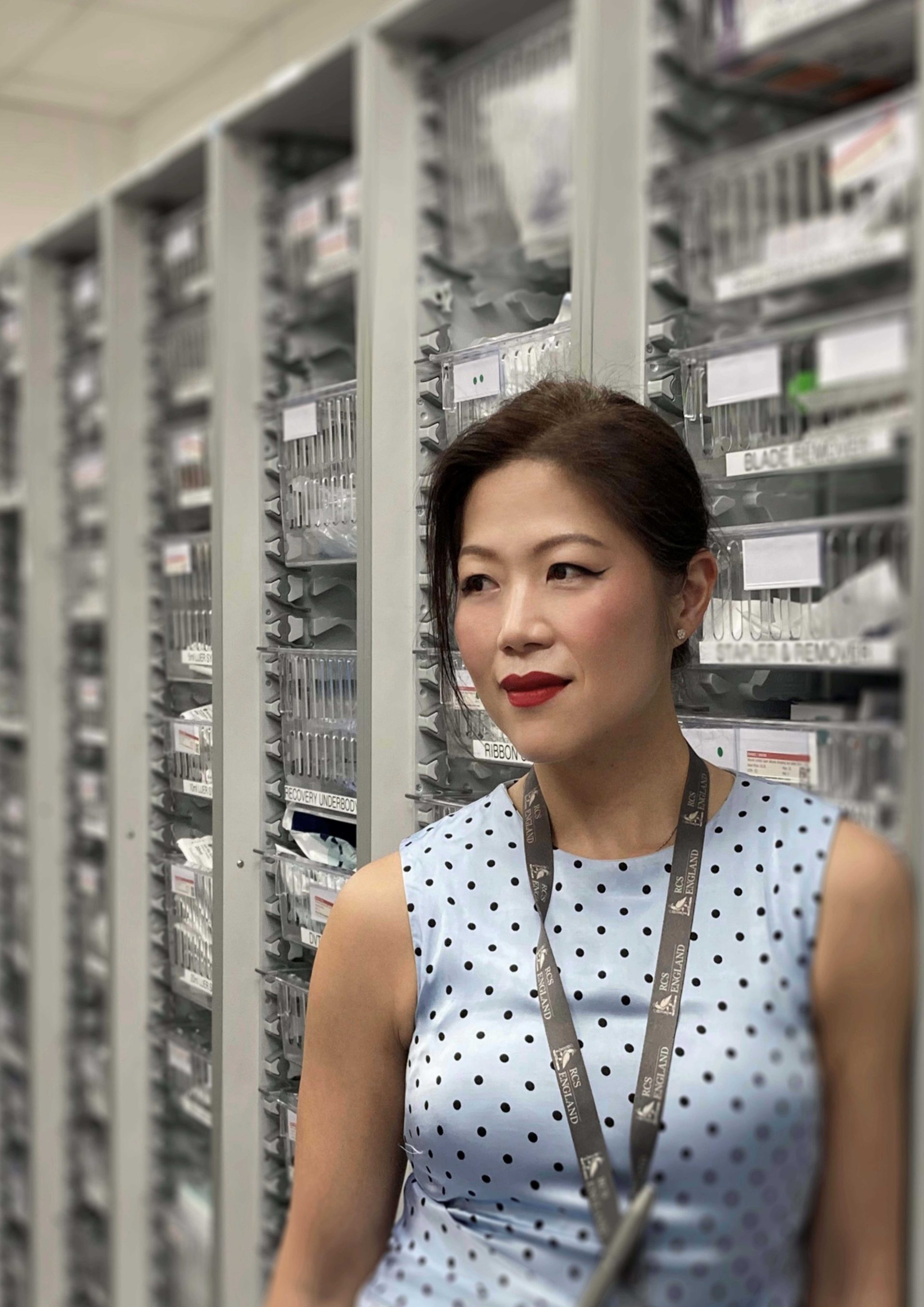
Catherine Kwok-Yan Lau, Consultant Oral and Maxillofacial Surgeon
By Helen Crompton, Senior Medical Photographer
The Princess Alexandra Hospital NHS Trust
What advice would you give to future surgeons?
If I can do it, so can you! I truly believe that anything is achievable with enough dedication and hard work... My advice would be to seek out those who will support you — there will be many — and to repay that generosity by mentoring others in return.
The face of surgery and how it is delivered is changing dramatically, so learn to flex and pivot... Most importantly, be kind, as every case (no matter how big or small) could be someone’s scariest day.
The best advice I can offer is to persevere. Training is long and full of hurdles, but the sacrifices are worth it. I now feel incredibly fortunate to do a job I love—if you love what you do, you’ll never work a day in your life.
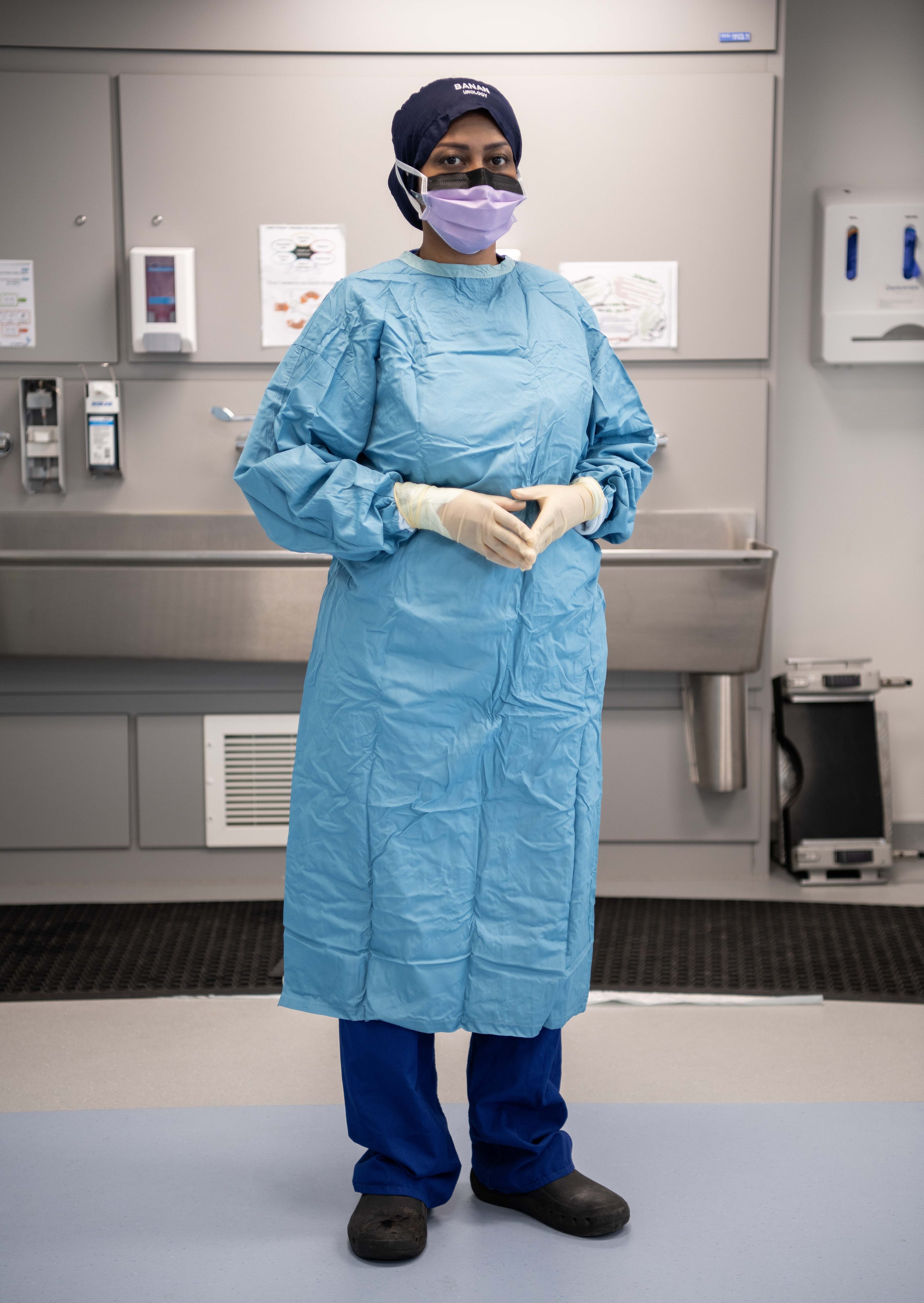
Banan Abbas Mustafa Osman, Consultant Urological Surgeon
By Laura Jackman. Senior Clinical Photographer
University Hospitals Birmingham NHS Foundation Trust
The most rewarding aspect of being a surgeon is the ability to directly improve people’s lives through technical skill and compassionate care. Operating can restore dignity, relieve pain, and offer hope.
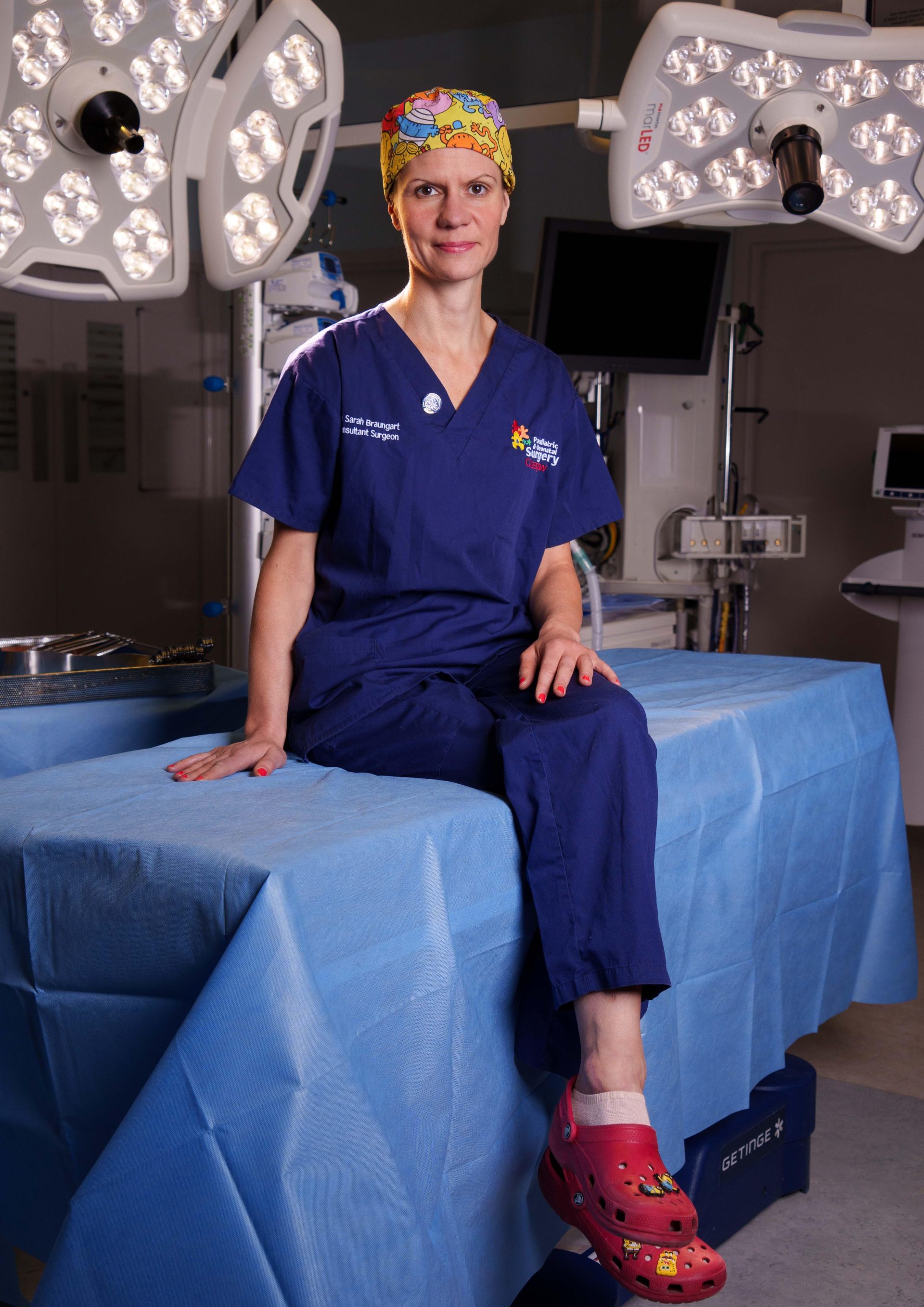
Sarah Braungart, Consultant Paediatric and Neonatal Surgeon, Special Interest in Paediatric Oncology
By Morag Warrender, Clinical Photographer
Royal Hospital for Children Glasgow, NHS Greater Glasgow and Clyde
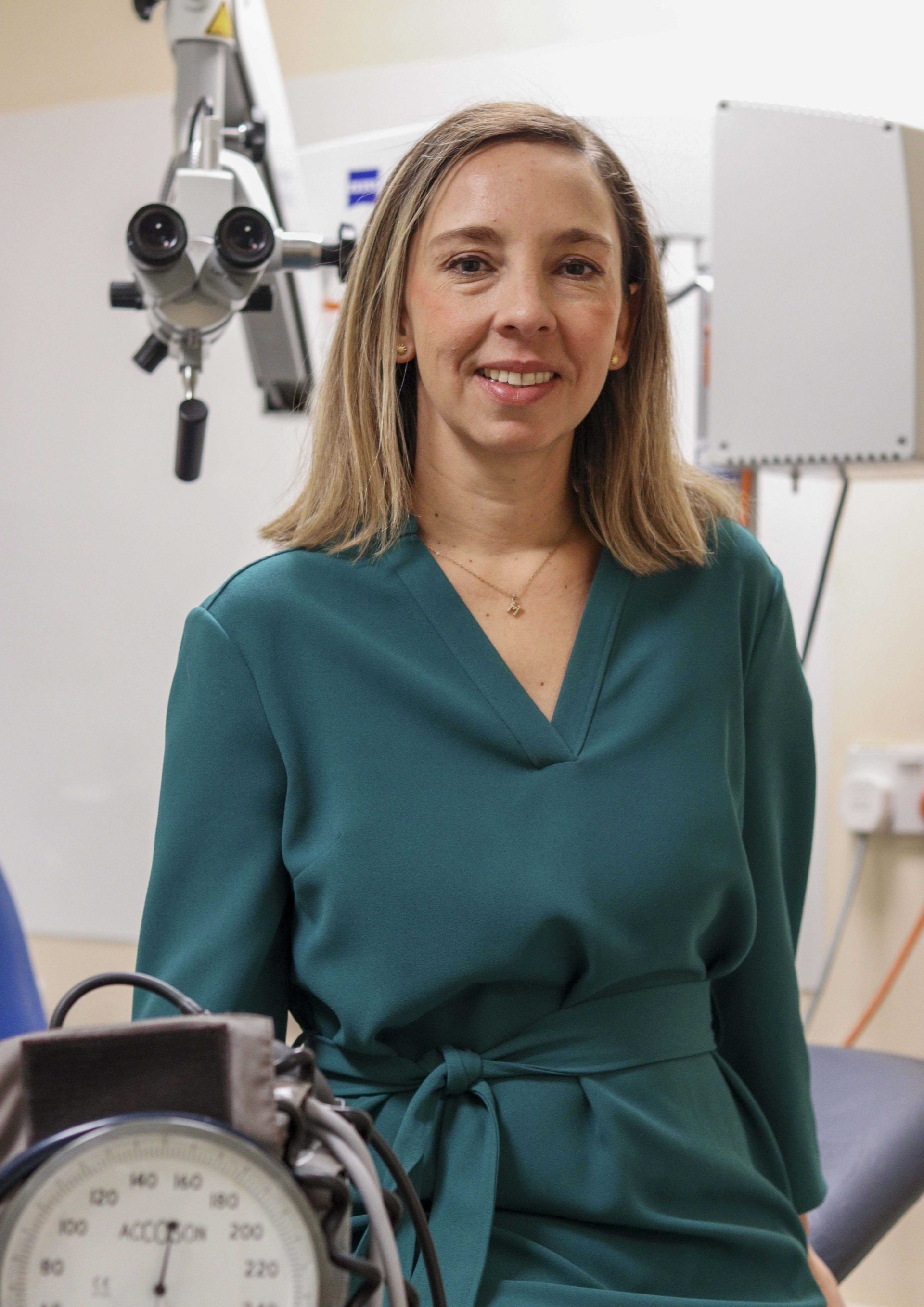
Manuela Cresswell, Consultant Ear Nose and Throat (ENT) Surgeon
By Paige Nolan, Communications Officer
University Hospitals Plymouth NHS Trust
Tell us about your photograph.
This photograph shows me in the operating theatre — it is the place I love to be most. When I operate time comes to a standstill, and I focus totally on the present moment.
The photograph was taken in the consent clinic, where I meet patients before surgery to talk through their operation, risks, recovery, and uncertainties. This space is deeply important to me because it is where trust is built and patients’ voices are truly heard. These conversations shape a partnership grounded in respect and understanding.
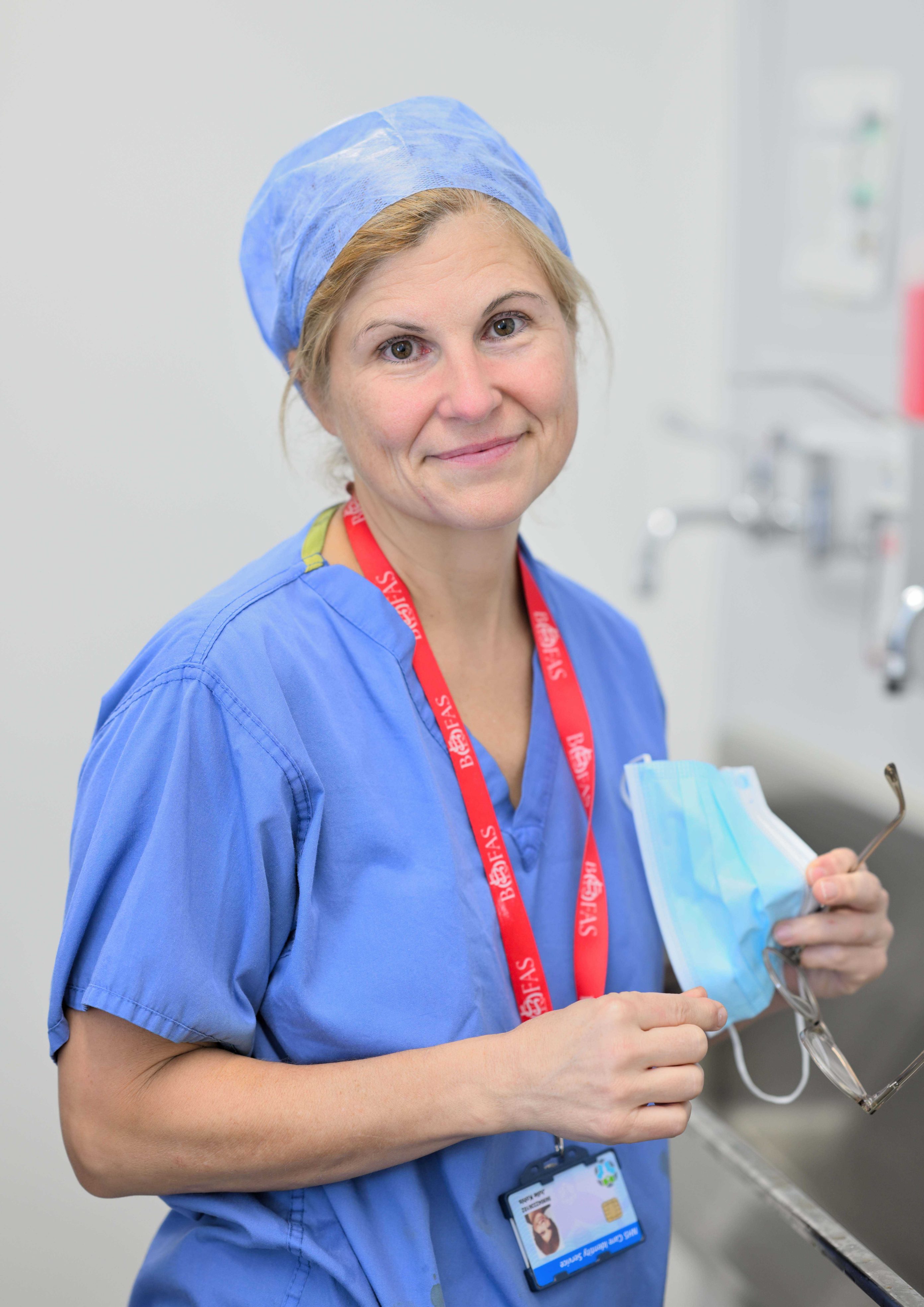
Julie Kohls, Consultant Orthopaedic Surgeon
By Ashley Prytherch, Medical Illustration Manager
Royal Surrey NHS Foundation Trust
Find a way to enjoy every day as a surgeon despite the pressures. I remind myself to enjoy each patient’s successful recovery and words of thanks rather than just moving to the next challenge.
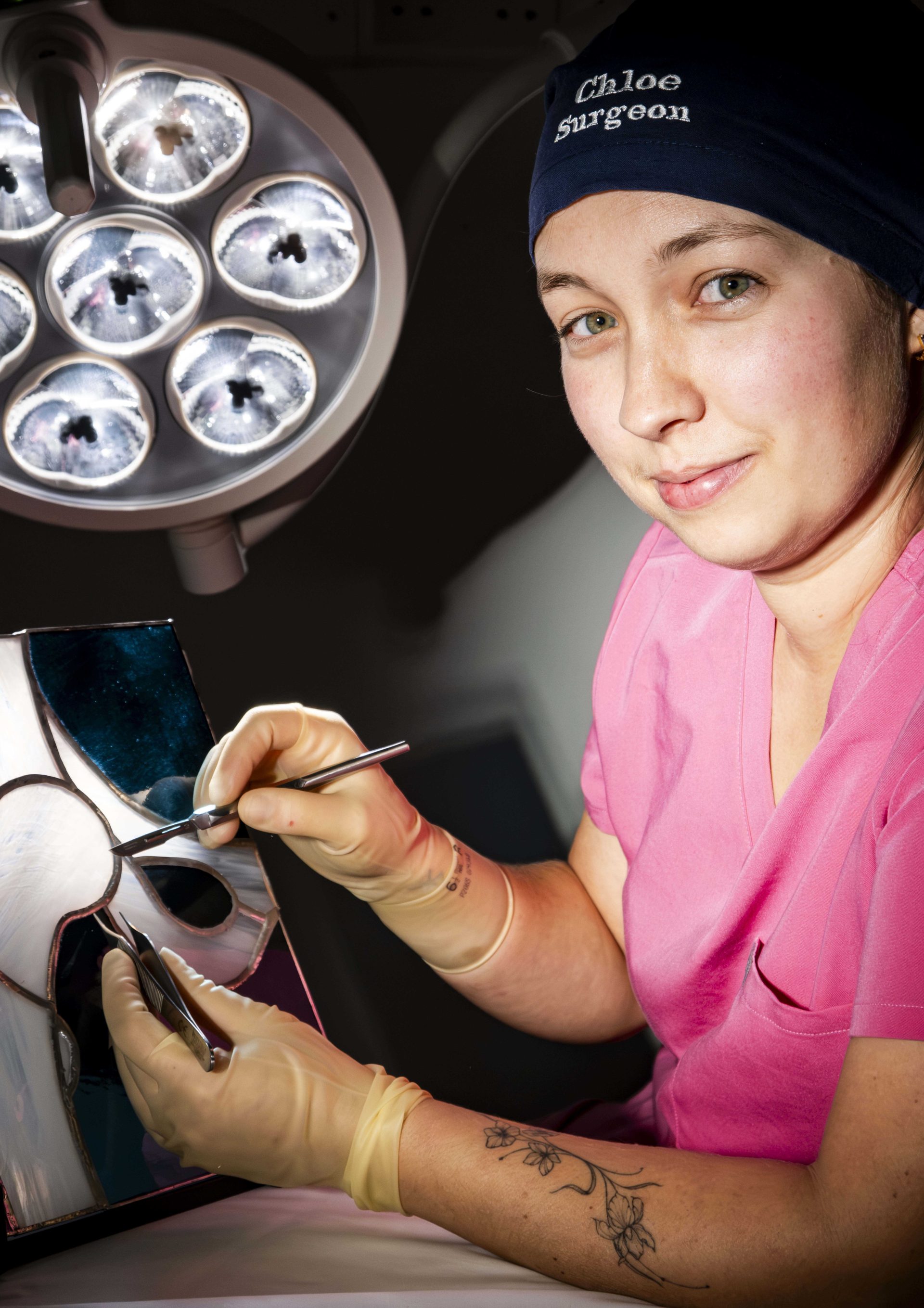
Chloe Paylor, Registrar in Trauma and Orthopaedics
By Robin Elliot, Consultant Orthopaedic Surgeon.
and Marie Jones Medical Photography Manager
Hampshire Hospitals NHS Foundation Trust
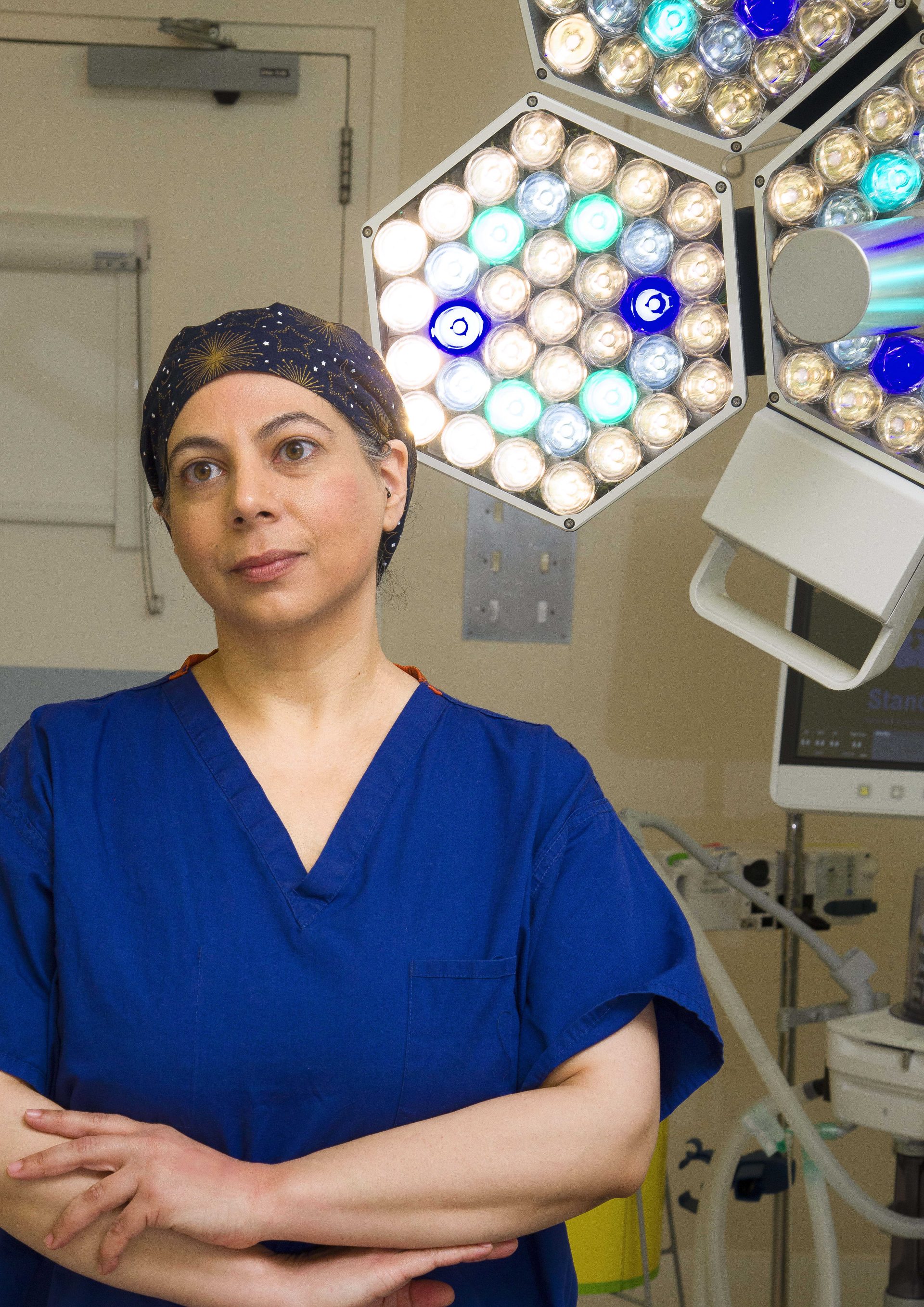
Michelle Christodoulidou, Consultant Urological Surgeon and Andrologist
By Tara Molloy, Medical Photographe
University Hospitals of Leicester NHS Trust
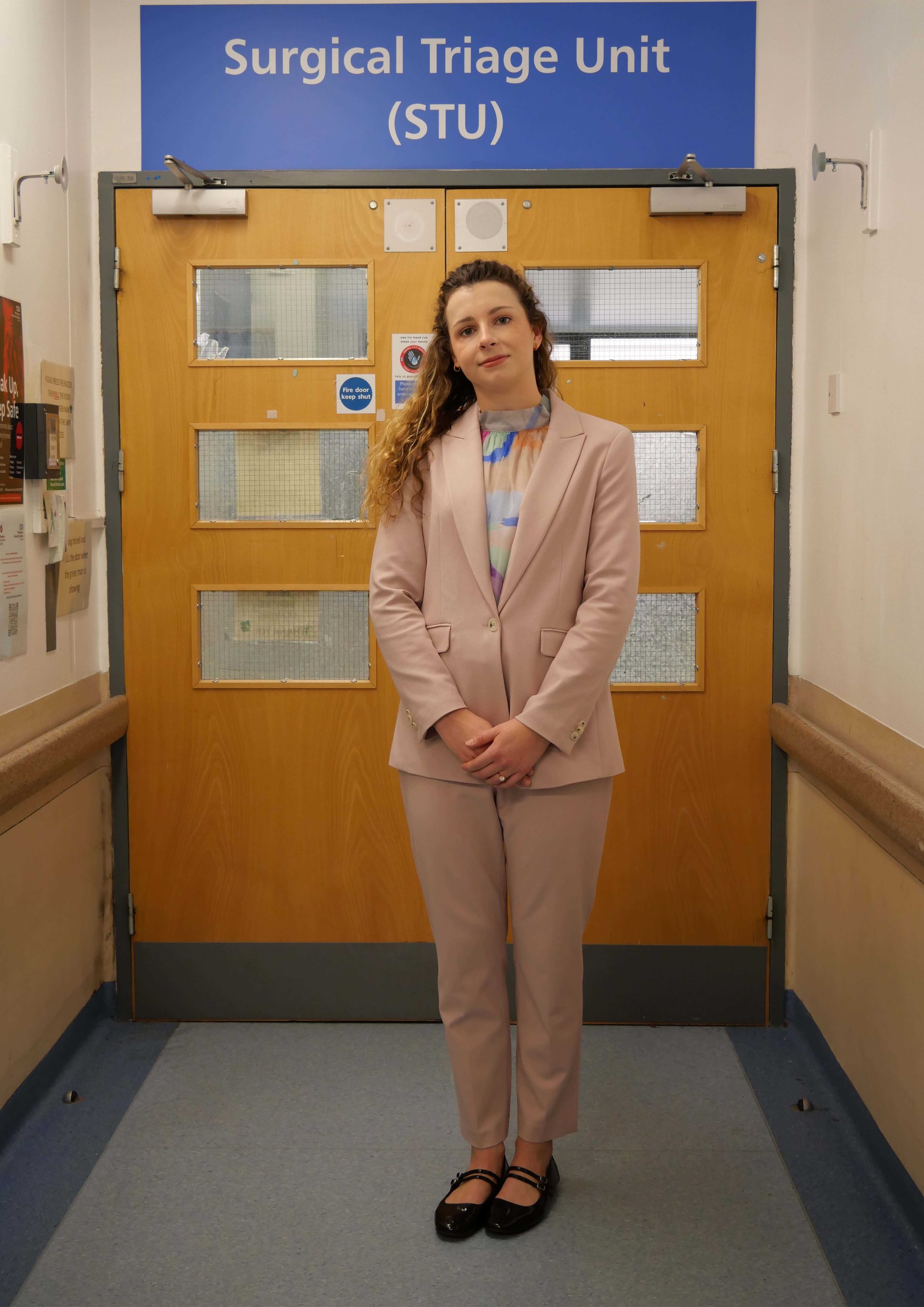
Olivia Howe, Core Surgical Trainee
By Thomas Harrison, Digital and Design Communication Lead
Nottingham University Hospitals NHS Trust
What or who inspired you to be a surgeon?
I have always enjoyed working with my hands, making things and learning new crafts. Orthopaedics is such a creative speciality as there are so many ways to approach and fix a fracture.
I grew up in an environment of tailoring, embroidery, patchwork and hand-crafting and surgery was just another way of expressing my art — by restoring function and cosmesis of the tissues after cancer surgery.
I knew I wanted to be a surgeon from just 10 years old. Being born without a right ear, I underwent major reconstructive surgery at age 10 to form an ear from my rib cartilage and skin from my thigh. I was fascinated by the superb skill of the surgeon and the fantastic care from the wider surgical team.
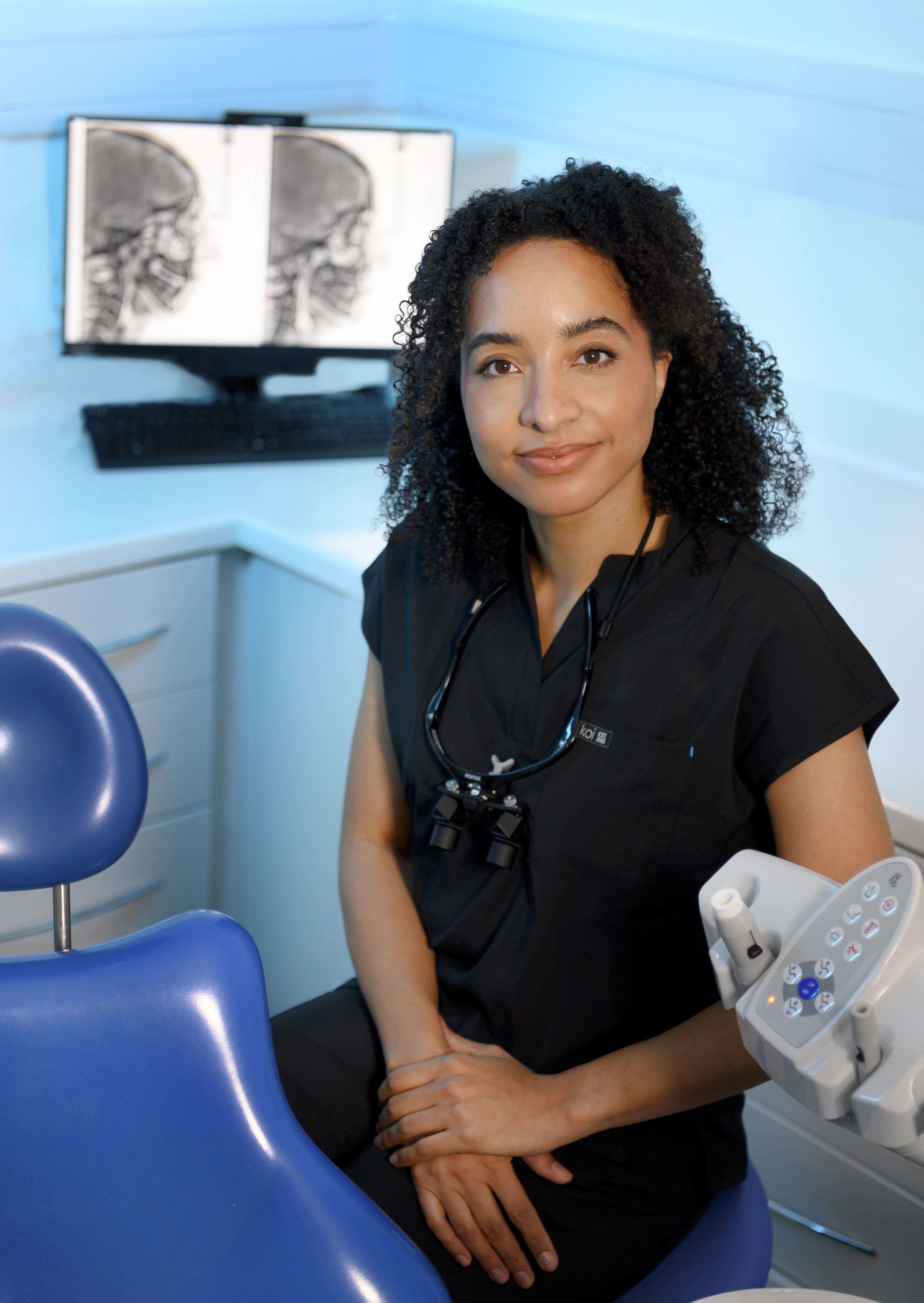
Chloé Ifeoluwa Rolland, Consultant in Orthodontics with a specialist interest in cleft lip and palate
By Abbey Hespin, Cleft Photography Team Leader
Addenbrooke’s Hospital, Cambridge University Hospitals NHS Foundation Trust
What I love the most about my role is the interactions I have with children and their families, to see how they engage with treatment and the impact it has on their quality of life and confidence.
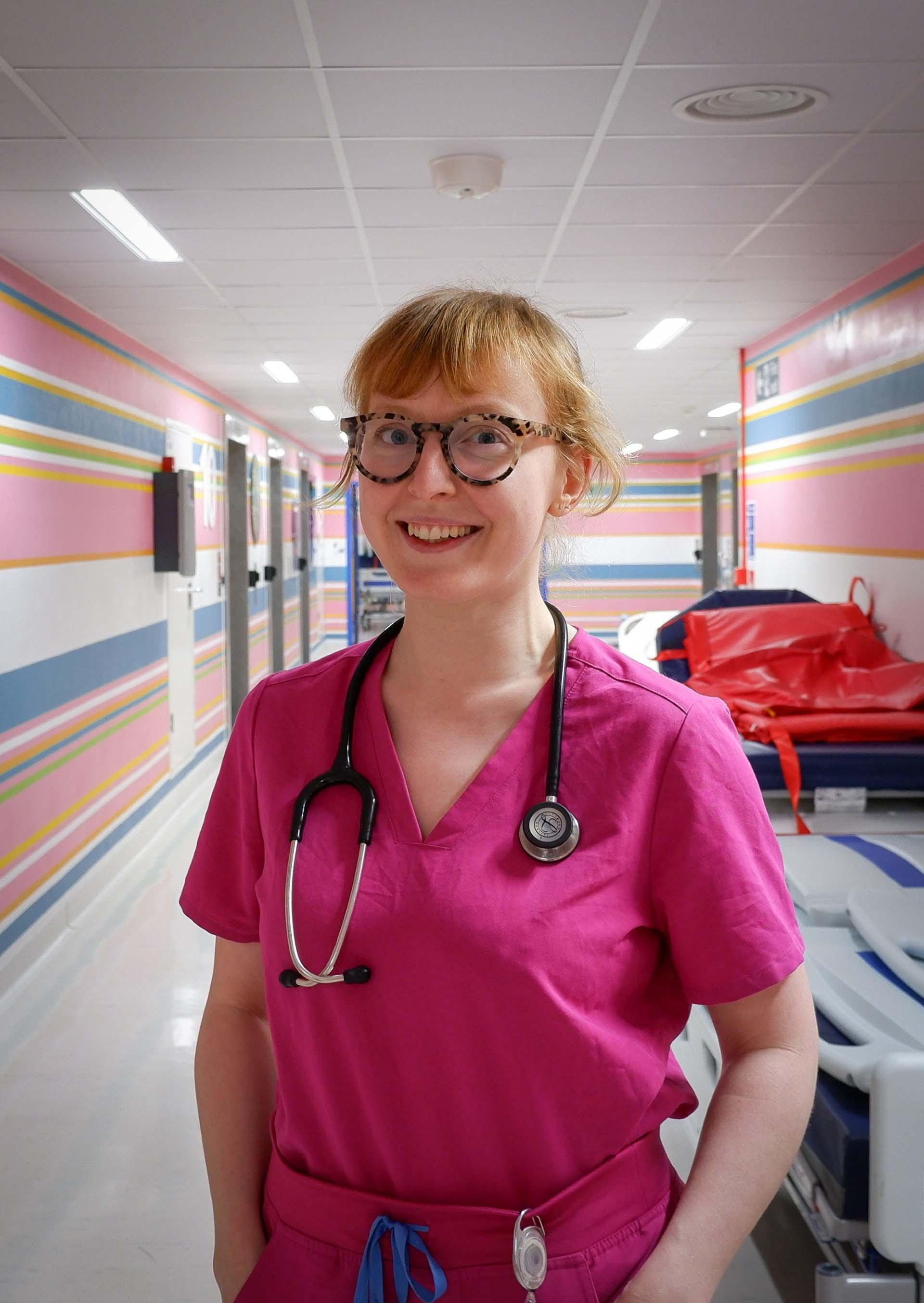
Claire Brash, Specialty Trainee (ST2), Neurosurgery
By Nicole Brownfield, Communications Team
Imperial College Healthcare NHS Trust
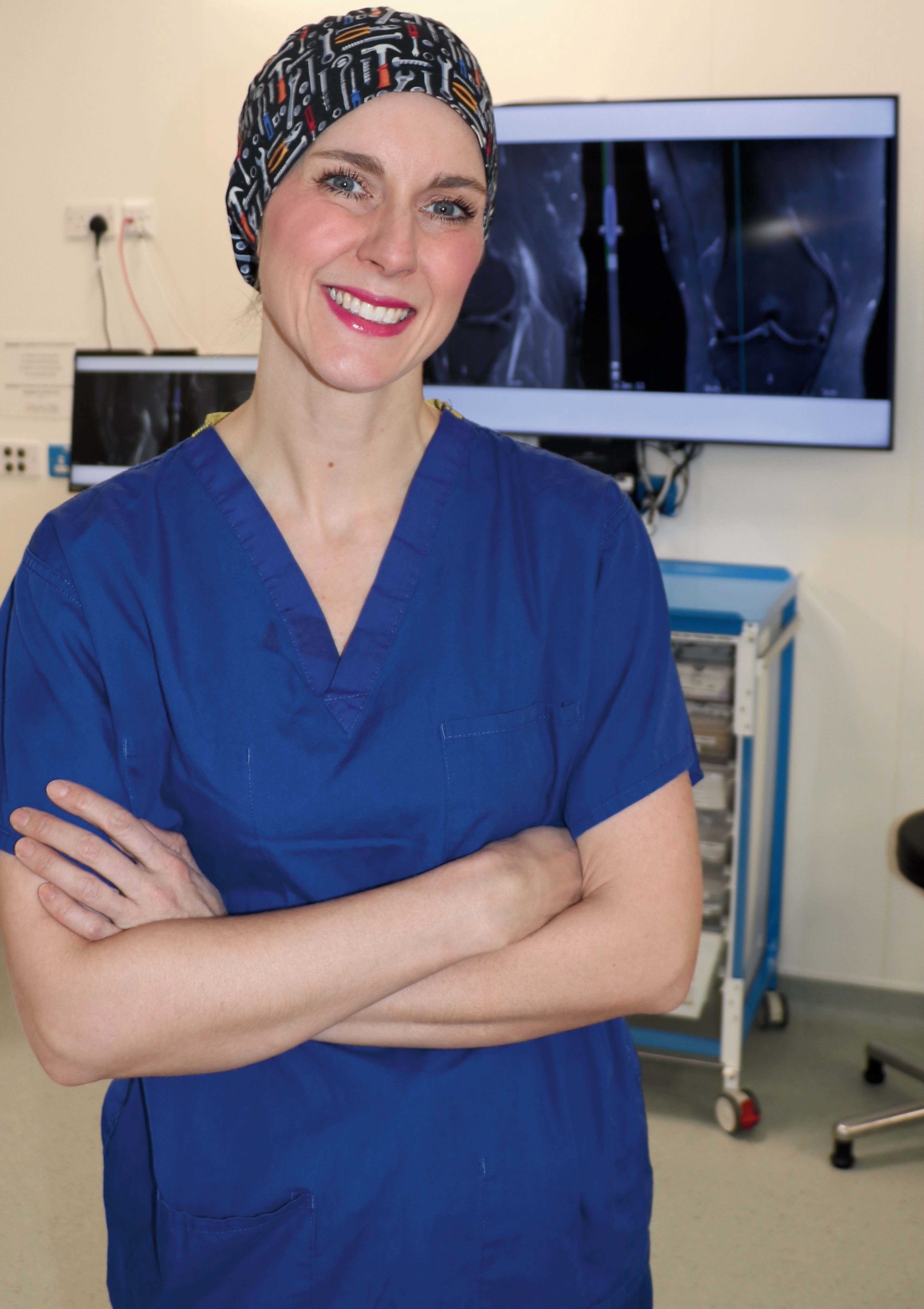
Nicola Denese Mackay, Consultant Trauma and Orthopaedic Surgeon
By Steven Box, Communications Officer
University Hospitals Coventry and Warwickshire NHS Trust
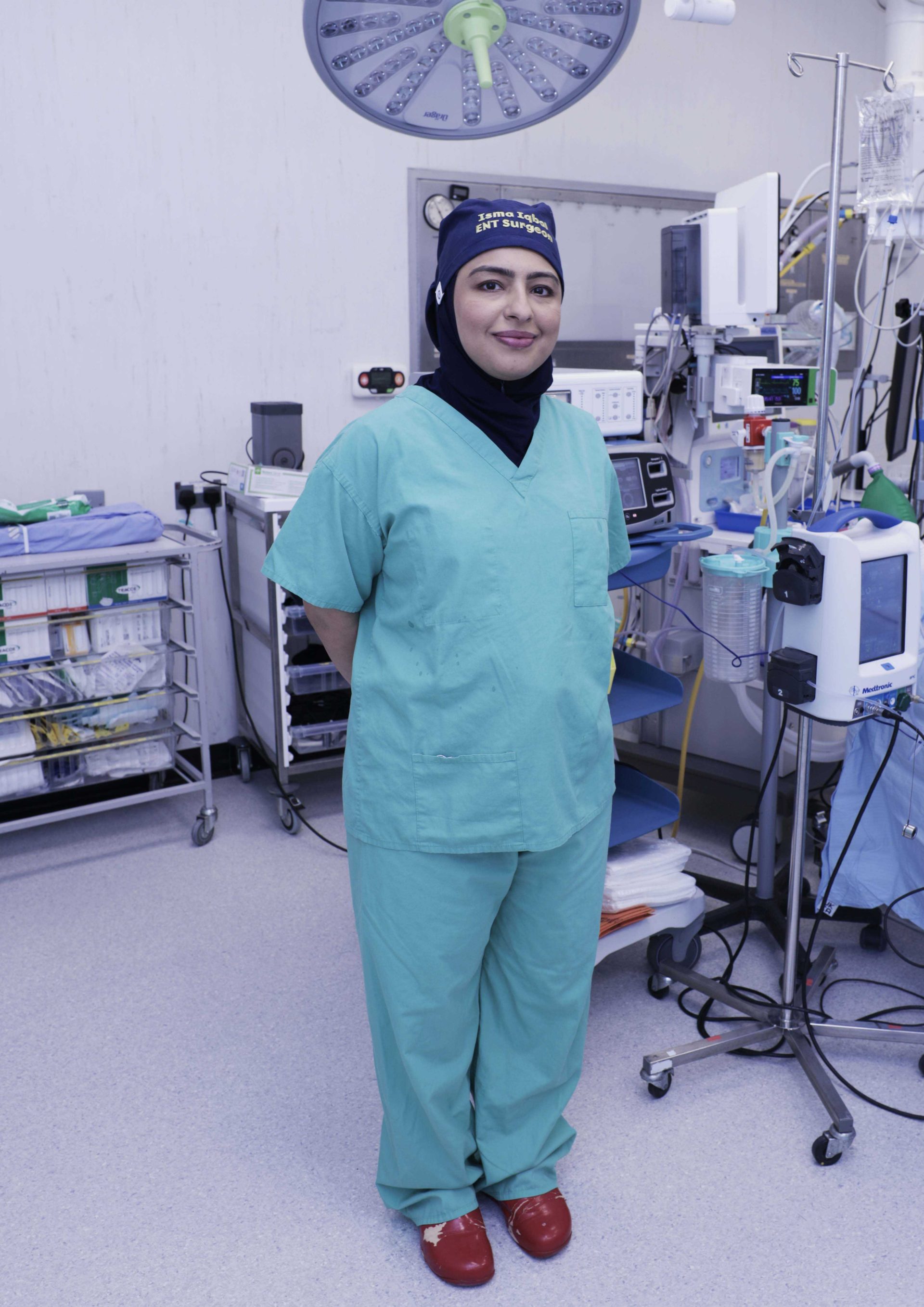
Isma Iqbal, Consultant Otorhinolaryngology and Anterior Skull Base surgeon
By Mark Oxley, Videographer and Video Producer
Newcastle upon Tyne Hospitals NHS Foundation Trust
What is the best thing about being a surgeon?
It has been said before but I truly feel it is art and science, a specialty where you must balance being bold and humble in equal measure as you intervene against the course of nature.
Being a surgeon is not just about operating; it is about restoring hope, function, and patient dignity. Knowing my skills can relieve pain and change someone’s future is profoundly rewarding.
The most rewarding aspect of being a surgeon is the profound impact on patients’ quality of life. This ranges from functional improvement such as restoring breathing or hearing to life-saving interventions like tumour removal.
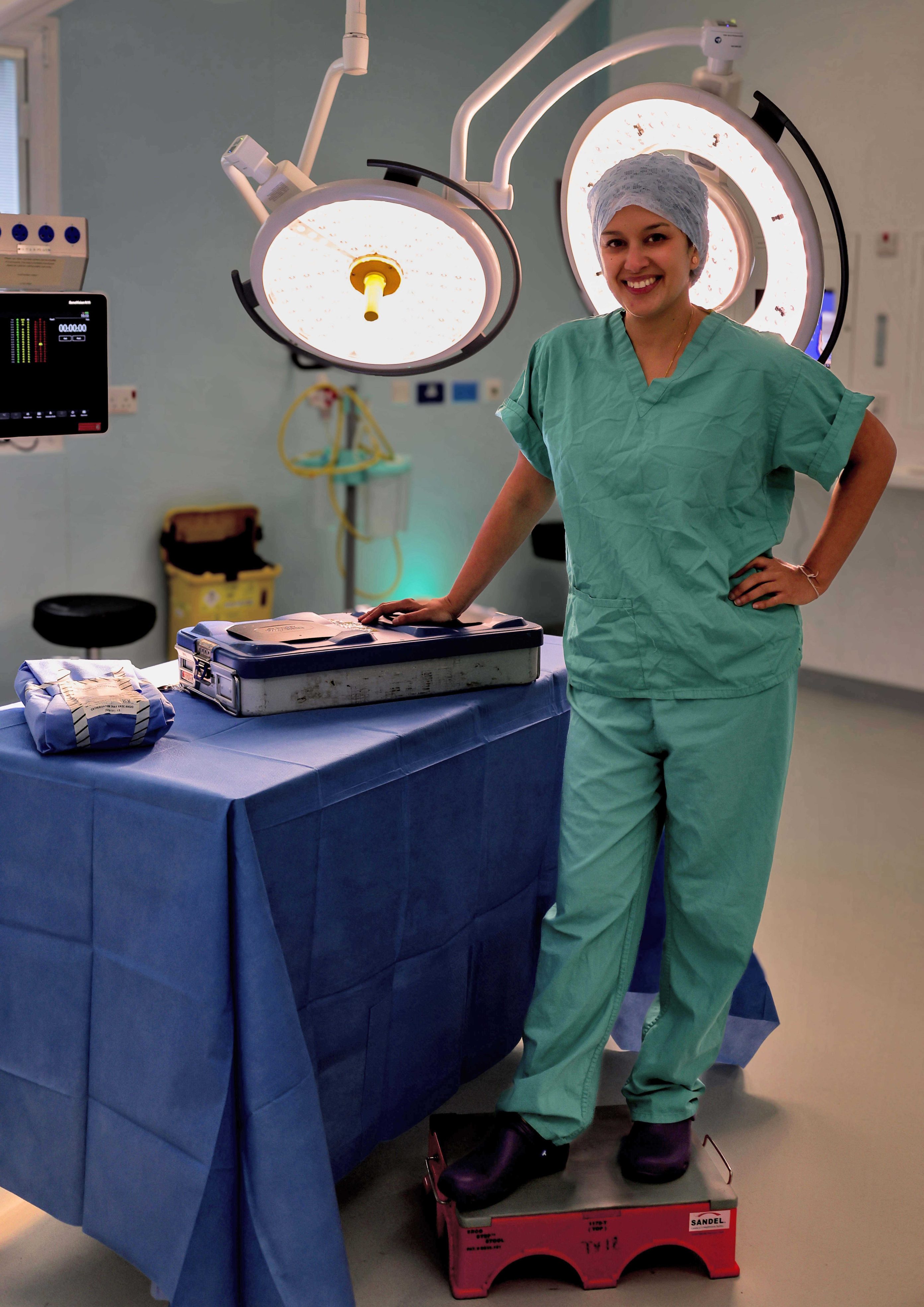
Panchali Sarmah, Post-CCT Senior Clinical Fellow, General Surgery
By Charlotte Shepherd, Medical Photography Lead
Sheffield Teaching Hospitals NHS Foundation Trust
Theatres are the main place others may see me “being a surgeon”. I included a step as it is the one piece of equipment I often need that others would not consider. While I previously needed it to get to the height of the table my trainers used, I am now transitioning to needing it to adjust to the table height my trainees need.
Aneurin Bevan University Health Board
Birmingham Women’s and Children’s Hospitals NHS Foundation Trust
Cambridge University Hospitals NHS Foundation Trust
East Kent Hospitals University NHS Foundation Trust
European Space Agency
Hampshire Hospitals NHS Foundation Trust
Imperial College Healthcare NHS Trust
Leeds Teaching Hospitals NHS Trust
London North West University Healthcare Trust
Newcastle upon Tyne Hospitals NHS Foundation Trust
NHS Greater Glasgow and Clyde
North Bristol NHS Trust
Nottingham University Hospitals NHS Trust
Queen Mary University of London
Royal Free London NHS Foundation Trust
Royal Surrey NHS Foundation Trust
Salisbury NHS Foundation Trust