
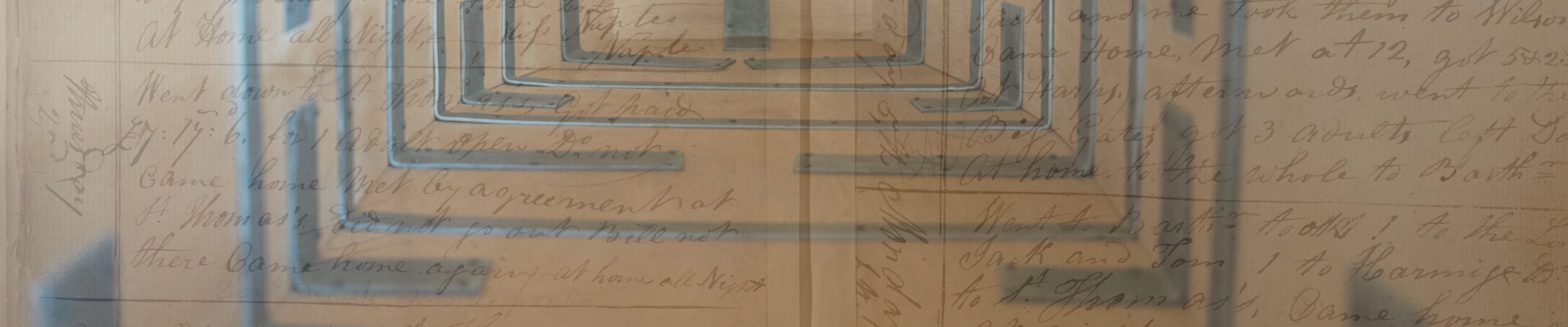
Inside coffin overlaid with Diary of a Resurrectionist. Credit Liam Salisbury
Anatomists, Bodies and Coffins: Corpse stealing in Georgian London
22nd October 2026
19:00–21:00
£8
Sold out
Attendees are invited to visit the Hunterian Museum from 5.30–6.45pm.
A special display from the Royal College of Surgeons of England Library and Archives collections will also be available to view from 6.30–7.00pm, before the talk begins.
Medical science advanced rapidly during the Georgian period (1714–1837), but the number of bodies supplied lawfully to anatomists for dissection was woefully inadequate until the Anatomy Act of 1832. As a result, for over a century, the majority of cadavers used for research and education in Britain were stolen by so-called 'body snatchers' (aka ‘resurrectionists’).
Join Robert Hartle at the Royal College of Surgeons of England to discover new insights into the story of body snatching in London and the public outcry it evoked. Examine a full-scale reconstruction of a ‘Patent Coffin’, which was sold in London between 1796 and 1819 to thwart body snatchers, alongside items from the Library and Archives collections, including one of its most fascinating documents: the Diary of a Resurrectionist, written by body snatcher Joseph Naples in 1811–12.
The talk will be followed by a Q&A with Robert and another opportunity to examine the reconstructed coffin and Library and Archive special display.
About Robert Hartle
Robert Hartle is a WRoCAH funded PhD student (history and archaeology) at the University of Sheffield. Between 2007 and 2024, he worked as a commercial archaeologist in London, specialising in funerary archaeology. His interest in the history of body snatching was sparked by new evidence of anti-body snatching grave protection found during the excavation of post-medieval burial grounds for Crossrail and HS2, and his thesis is focused on public responses to body snatching in London, c. 1740–1832.